And I am aware of my heart: it opens and closes
On view October 24th - December 5th
Saturdays 12-3 pm and by appointment
Contact: mothercreatrixcollective@gmail.com
Nobody watched me before, now I am watched.
The tulips turn to me…
And I am aware of my heart: it opens and closes
its bowl of red blooms out of sheer love of me.
- Excerpt from Tulips by Sylvia Plath
The moment we become parents, we are no longer alone as individuals. We become attuned to the ever present needs of our children. Unknowingly this identity shift to mother, or matrescence, connects us to every mother and every child.
And I am aware of my heart: it opens and closes, inspired by Sylvia Plath’s Tulips, features artists exploring transformation, grief, and empathy in motherhood: how we as mothers, like tulips, die off and regrow each year, tending to the tulips that will extend beyond us. Exhibiting artists explore the inextricable link between their personal identities and their children’s, or of other parents–approaches range from incorporating their children in their work to drawing inspiration from their parental experiences for community-based art and activism, considering caregiving as social practice. Some touch upon personal and collective caregiving experiences related to race, disability, and global events like climate crises and the Covid-19 pandemic. The exhibition also includes artistic collaborations inspired by childbirth and parenting experiences. Like Plath in Tulips, these artists incorporate specific symbols and materials from the natural or domestic world, with many embracing costume, props, and traditional or invented rituals to process different transitions, find solitude or repose, or connect with others.
In 2024, the former Surgeon General, Dr. Vivek H. Murthy, emphasized the need for a shift in society to help combat parental isolation. Cultural stigmas surrounding pregnancy loss, reproductive choice, family structure, postpartum depression and anxiety and other realities of parenting often silence honest conversation.This exhibition acts as a response, with a space for parents and non-parents to engage in the layered realities of caregiving through themes of matrescence, grief and renewal to spark open dialogue about how we value care in our society.
Visit https://www.mothercreatrixcollective.com/events for full artist statements and a full list of events aimed at bringing together caregivers in community.
Participating Artists: Shweta Bist, Alexandra Carter, Courtney Dudley, Tamar Ettun, Kim Hopson, Caroline Holder, Las Hermanas Iglesias, Jess Levey, Caroline McAuliffe, Coralina Rodriguez Meyer, Rose Nestler, Jocelyn Russell, Nina Wood. (MCC Members)
Curated by Mother Creatrix Collective Members Caroline McAuliffe, Katherine Gressel and Shweta Bist
And I am aware of my heart: it opens and closes is sponsored, in part, by the Greater New York Arts Development Fund of the New York City Department of Cultural Affairs, administered by Brooklyn Arts Council. Image credit: Caroline McAuliffe.
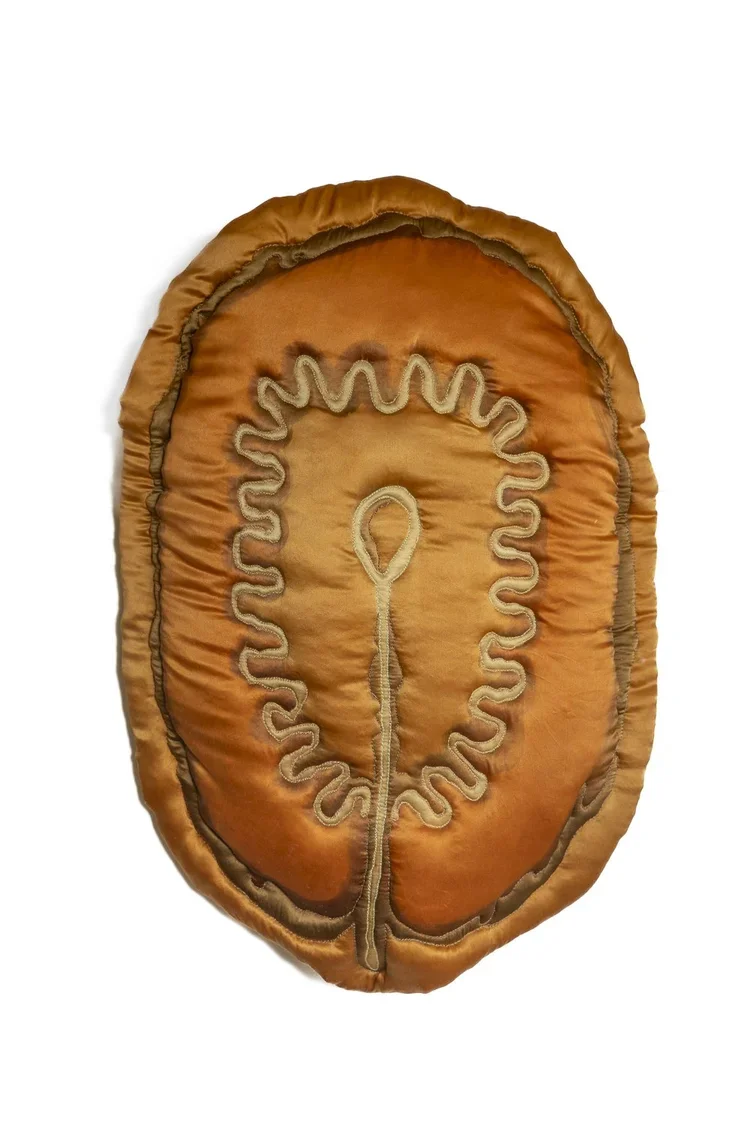
Courtney Dudley
Coreopsis Curette, 2024
Silk dyed with coreopsis, thread, wire and batting
25 x 15 x 5 inches
$900
CHIMERAS explores hybridization, transformation, and the connections between bodies and materials. Named for organisms containing genetically distinct cells, Dudley’s works blur painting, sculpture, and quiltmaking. A mother, too, can be a microchimera: her child’s cells, carrying distinct DNA, may remain in her body for decades after birth or an abortion.
Using dyes made from plants she grows, Dudley pours forms inspired by microscopic imagery, ultrasounds, and mirrors. She follows the materials’ shifting paths, stitching connections and building peaks and valleys until each work takes on an identity of its own.
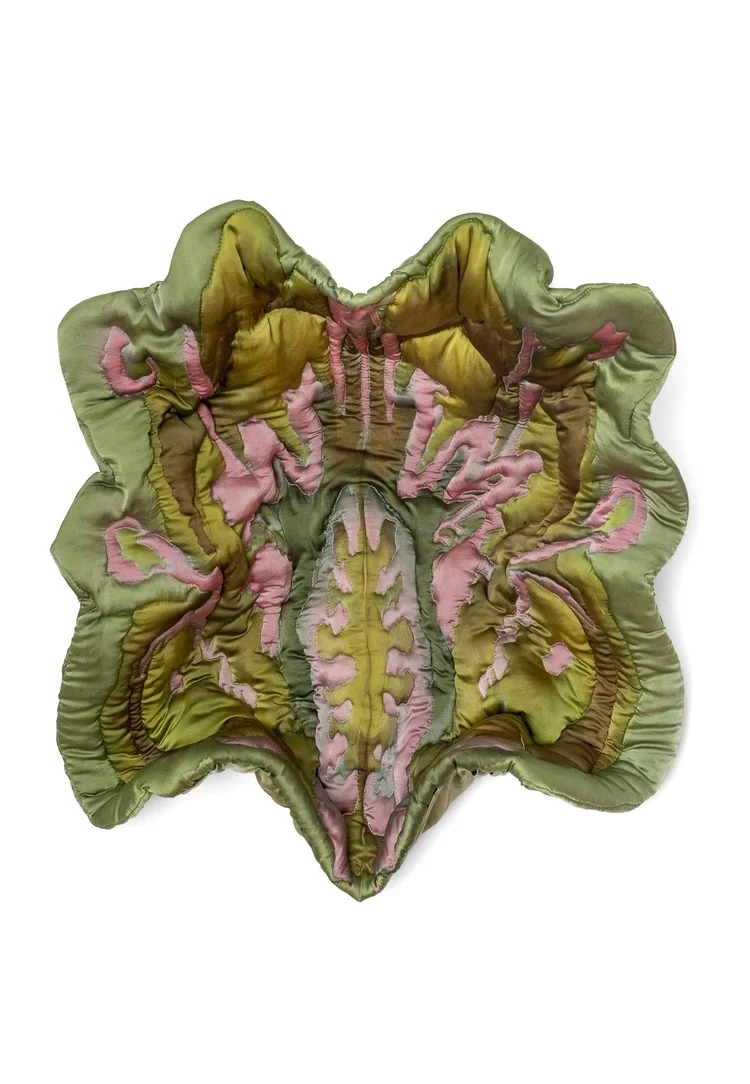
Hibiscus Venus, 2024
Hibiscus dyed silk (hibiscus moscheutos), thread, batting, wire
26 x 24 x 10 inches
$900
Alexandra Carter
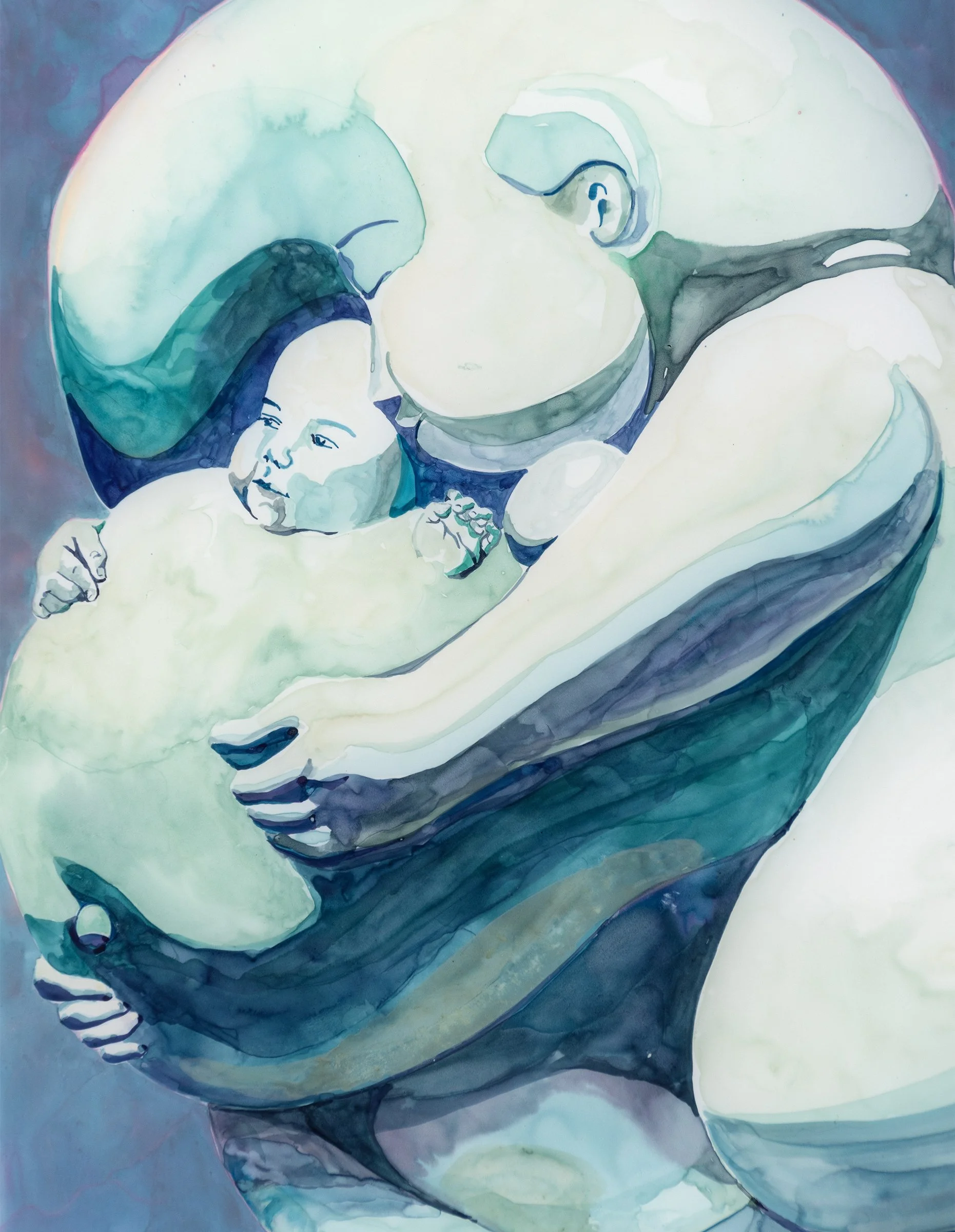
Gravida, 2025
Acrylic ink on drafting film
17 x 14 inches
$1,000
Gravida considers the porous boundary between mother and child during pregnancy and in the period after birth. The baby is outside the body, but separation is still incomplete. Feeding, sleep, touch, need, and attention continue to organize the mother’s body and sense of self around the child. The figures merge into a single swollen form, reflecting my interest in the maternal body as excessive, unstable, and difficult to contain. I often return to the contradictions of motherhood: tenderness and discomfort, intimacy and loss of self, attachment and separation.
I work with acrylic ink on translucent drafting film, allowing the paint to pool, bleed, and overlap. In Gravida, blue and green washes sit over a field of neon pink painted on the reverse of the film. The pink is visible only at the edges and in small flashes, suggesting something that remains present even when it cannot be fully seen.
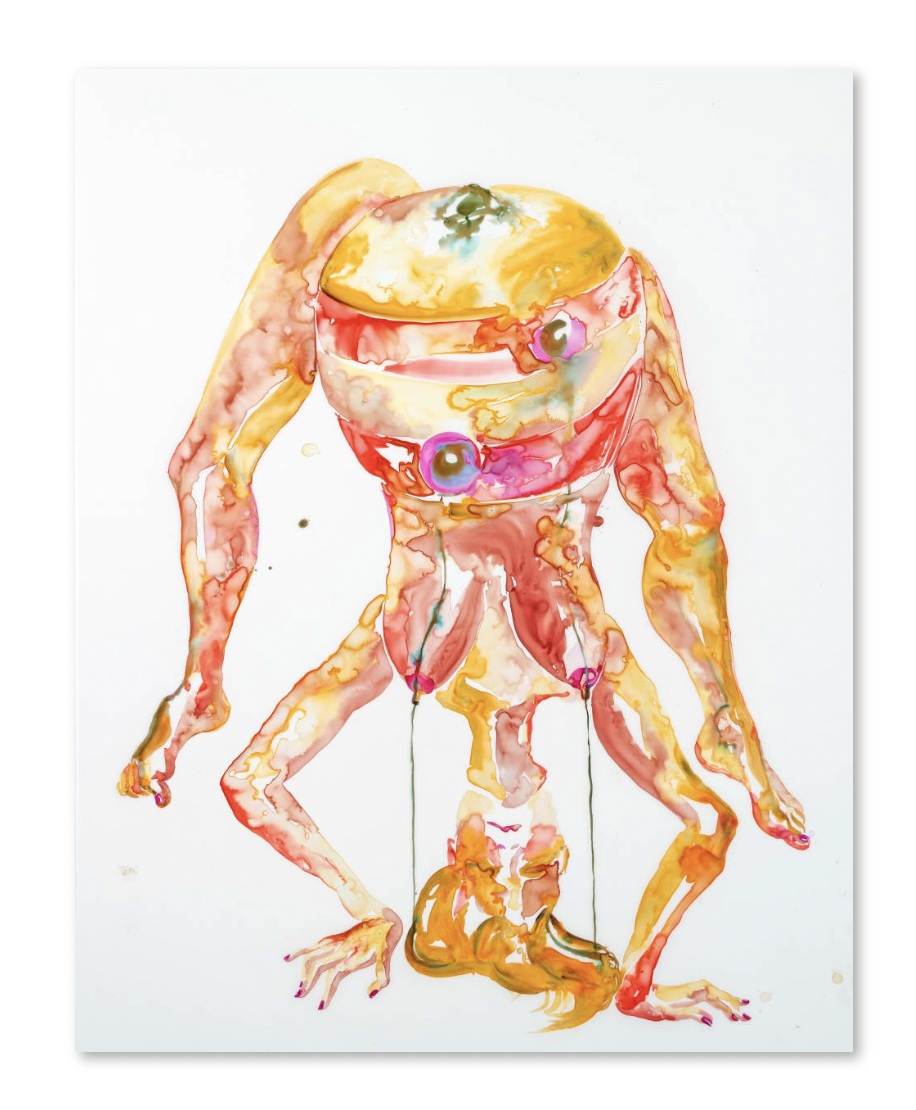
Nonstress Test, 2021
Ink on drafting film
59 x 42 inches
$3,200
Here I speak to both the pregnant and postpartum body. Her Bobblehead-like, upside-down body floats as if a Nutcracker string toy. She jumps through hoops in order to nurture the being that grows in and out of her. I had so many “nonstress tests” a.k.a. fetal monitoring towards the end of my first pregnancy, and a tumultuous time with breastfeeding thereafter. I liken the fetal monitor’s belts to stripes on a bowling pin, and its wiring to the veins of her milk ducts.
Rose Nestler
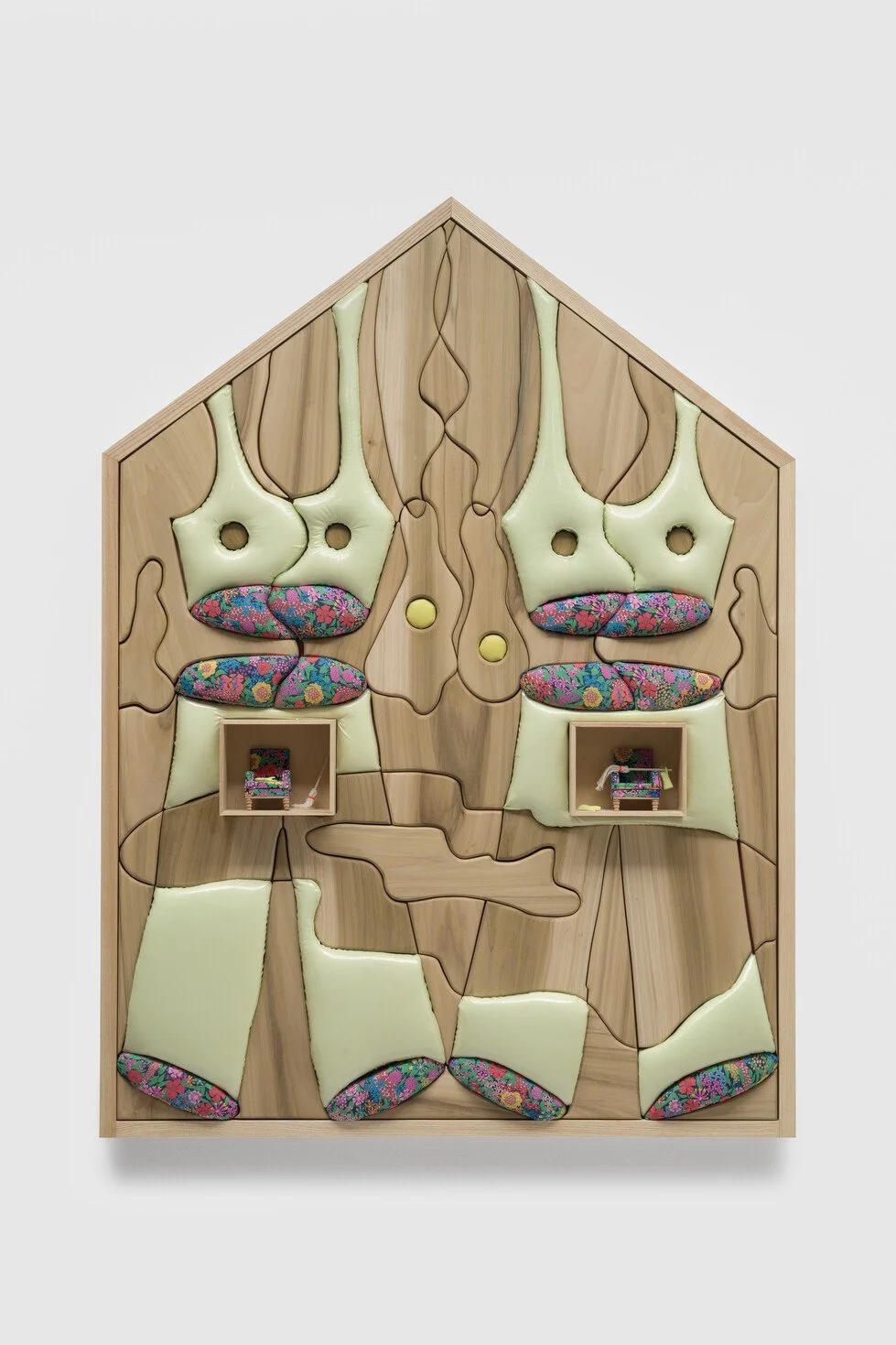
The Spill, 2025
Poplar, ash, plywood, mdf, foam, batting, fabric, thread, leather, wood glue, epoxy, hardware, resin, miniature chairs, mops and rubber gloves
50 x 37 x 6 inches
$12,000
Since becoming a mother, I have been making bulky wood and fabric puzzle pieces that often contain miniature rooms and scenes. The scenes are a way for me to shift scale drastically within a single piece and point towards vulnerable, uncanny moments of loss, shame, repair and reverie. The tiny objects maintain safety in their cuteness. Held within a heavy structure of wood and upholstered shapes, all of which are interlocked within a larger frame; a box, a home, a container. Eggs, gloves, spills, clothing and flowers are all recurring motifs/characters in my work.
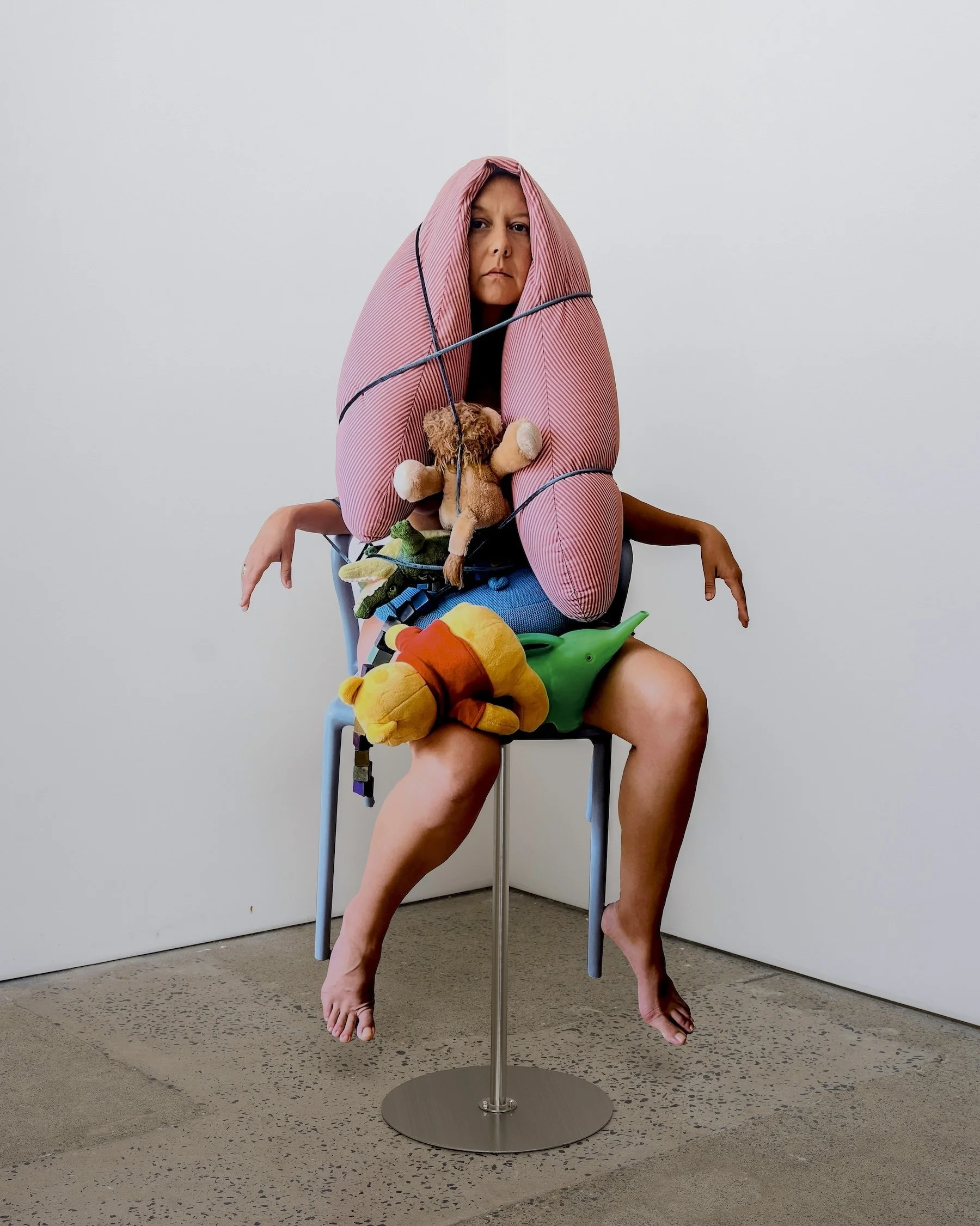
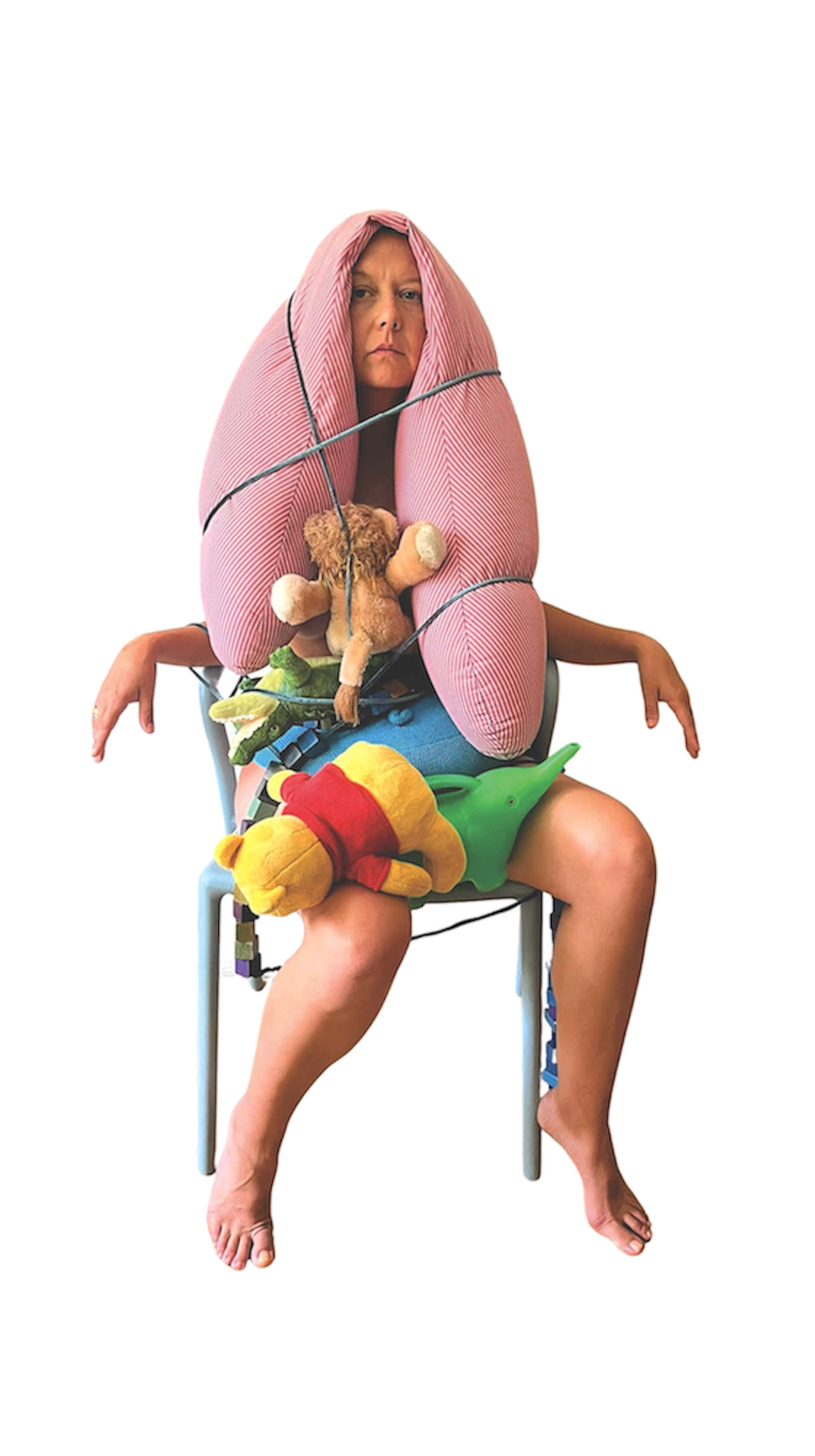
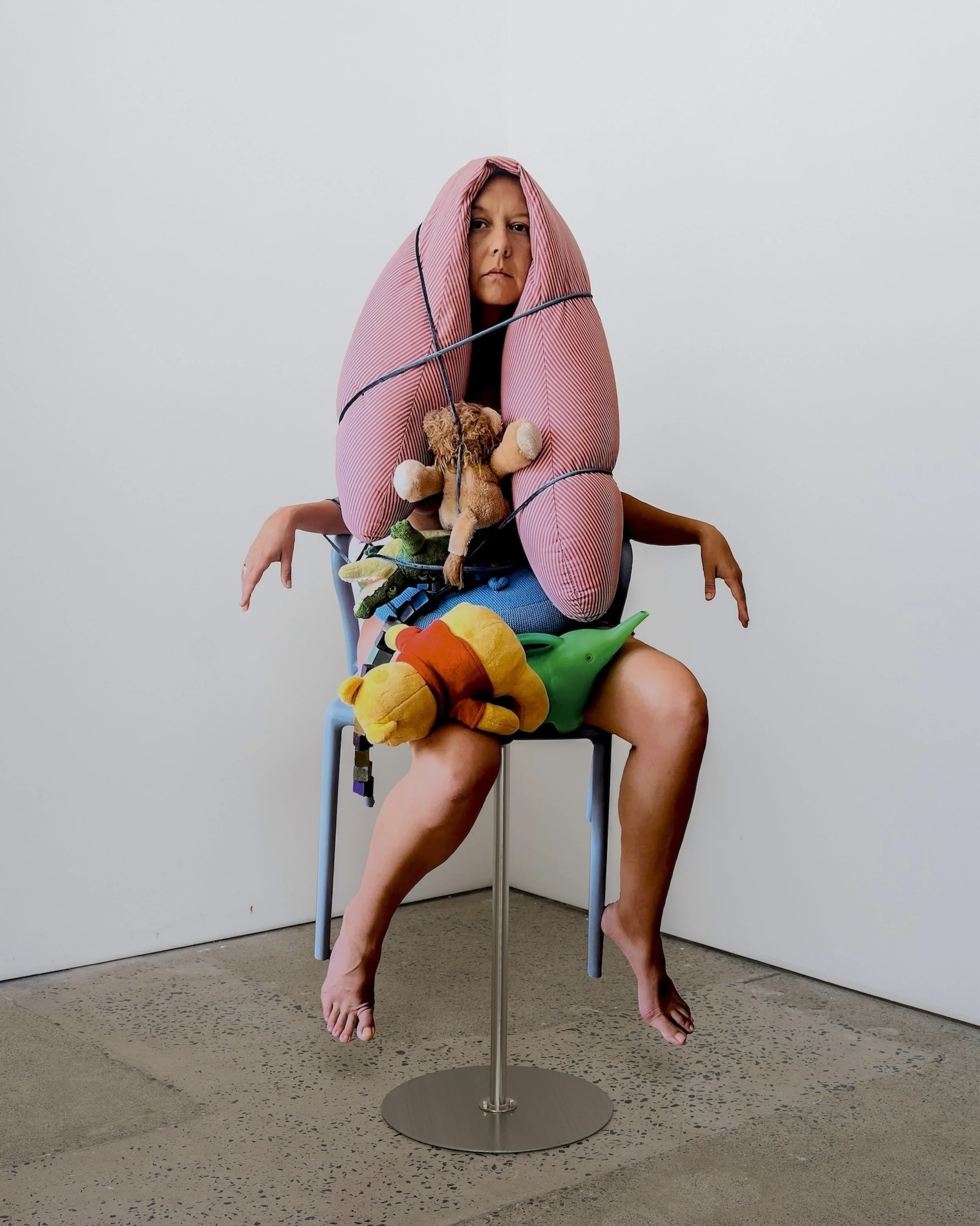
Bound Up In You I, 2025
Sublimation print on die cut aluminum, metal stand
54 x 32 x 14 inches
$3,500
Caroline McAuliffe
Through costume, sculpture and photos I contextualize my experience of motherness, my gayness, my carework, our shifting family dynamics and the tensions between them all. The importance of making work with my family and using mothering as the material for my art is to add to the visual histories of families like ours. By collaborating with my child through play, painting, masking, and orchestrating installations I have developed a visual vocabulary that elevates our domestic realities into objects of desire. In costume I can be a fool, be absurd, be transported, be subversive in plain sight, and be resistant to the expectations of my identity as a caretaker. It’s an act of rebellion to share the uncomfortable aspects of mothering through humor and play, to intermix elements of kink with my child’s toys, and to make our lives as a gay family visible.
In the Bound Up In You series, life-sized portraits of a mother consumed and bound in her child’s toys and feeding pillow. She’s gazing at the viewer, tired—forever tired—adorned, burdened, and asking to be seen. The Objects of Play series is based on how I engage with the “stuff” of toddlerhood. The physical and emotional demands of parenting have turned our world into the subject of my art.
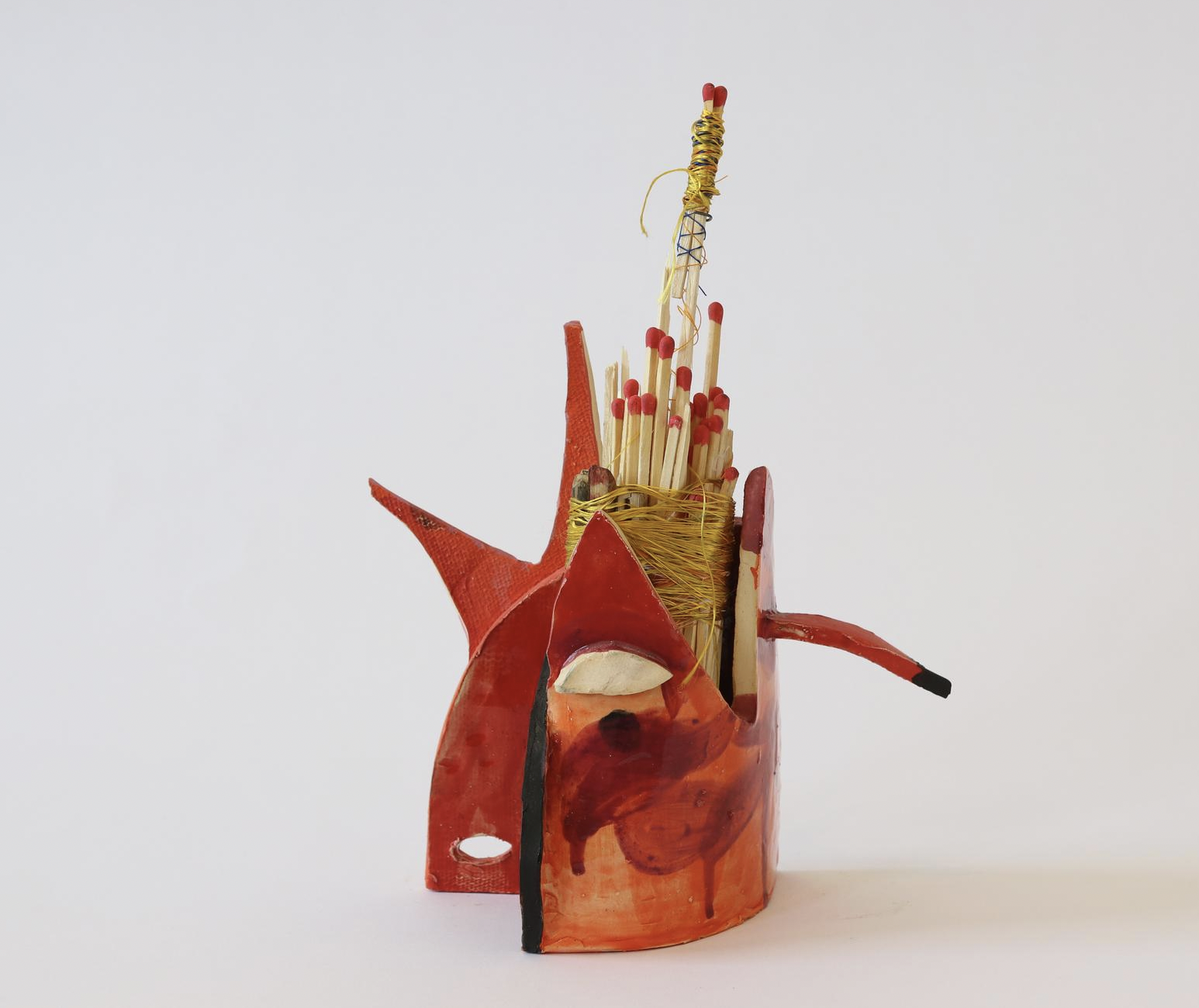
Fire Trap, 2022
Ceramic, string, matches
12 x 8.5 x 4 inches
$3,500
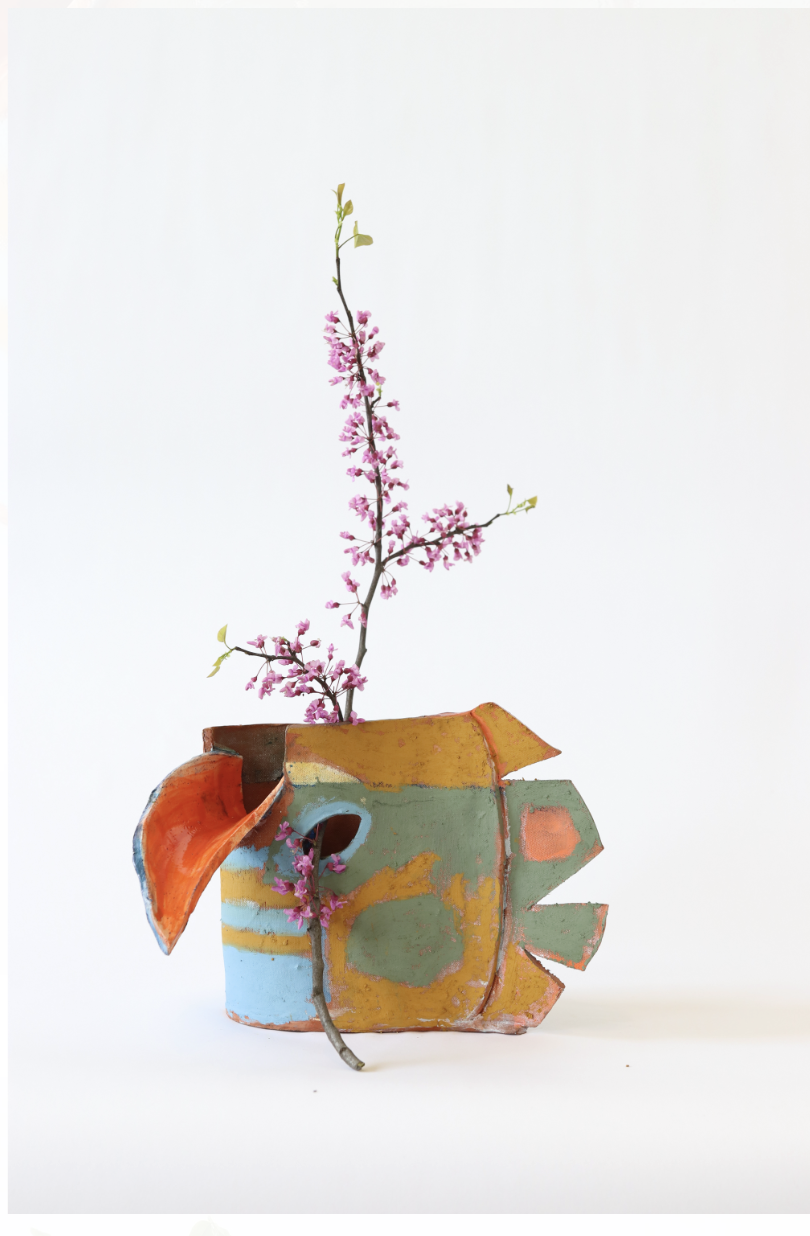
Flower Trap, 2022
Ceramic, flower
7.5 x 1 0.5 x 9 inches
$3,500
Tamar Ettun
Lilit Demon Traps (Ceramics), 2020-ongoing
Series of glazed and unglazed stoneware; shibori dyeing wands with cotton, hand-made natural dyes, and tree branches; silk thread, long reach matches, frankincense, beans, washers, bolts, and other found materials; air-dried goldenrods.
The ceramic Demon Traps are part of a multidisciplinary work Lilit the Demon that has since 2020 explored the insidious side of empathy, empathy fatigue, trauma-healing modalities, and astrology as storytelling through text messages to a growing community of people.
The Demon Traps are made of glazed and underglazed stoneware, characterized by their bird and beak-like shapes. The ceramic traps recall the origin story of Lilit, who was created from clay, and the ceramic incantation bowls used by healers in the second to seventh century.
While learning stoneware techniques, I based the structure of the demon traps on sewing patterns used in my biomorphic inflatable works, a series of womb-like communal play spaces reconstructed from military parachutes and hot-air balloons.
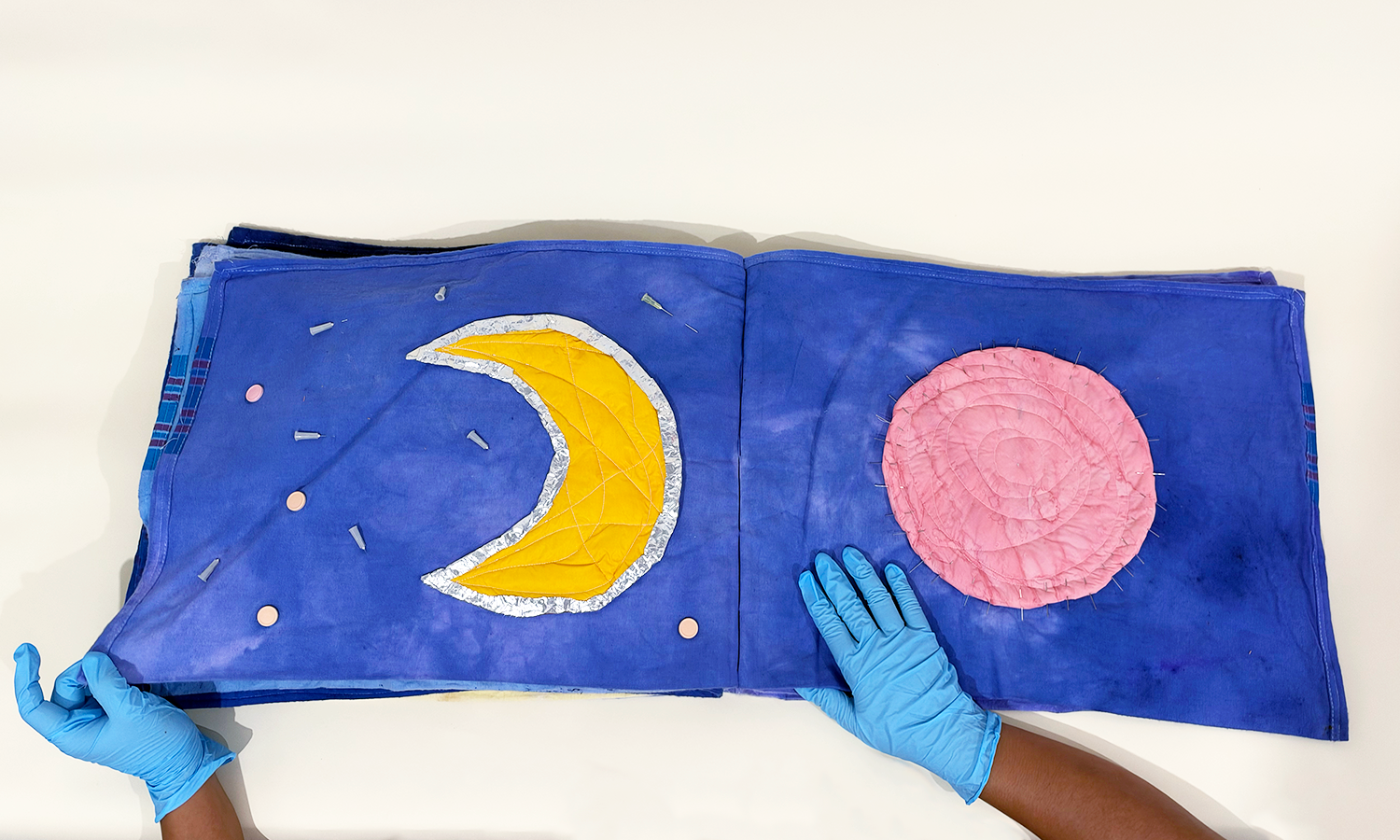
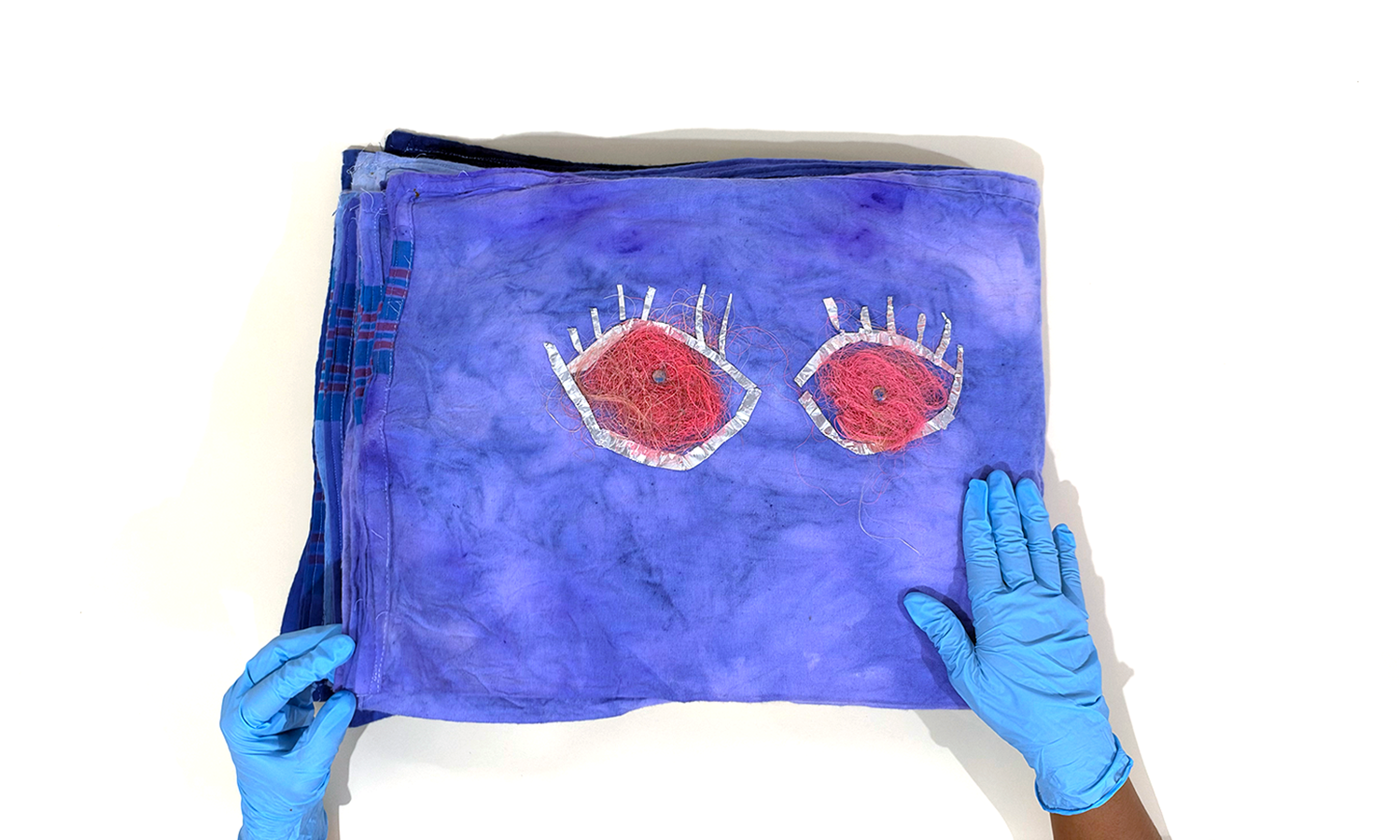
IVF Documents: Artist Book, 2024
Hospital infant blankets, fabric dye, menopur medication container, syringe, alcohol swipes, needles, matches, cut up pajamas, wax, surgical cap, clothes clips, yarn, tape, thread
39 x 16 x 2 inches
$9,000
Tamar Ettun
IVF Documents: Artist Book is a poetic reimagining of an ancient healing ritual, addressing the somatic, emotional, and physical realities of In Vitro Fertilization.Throughout my third IVF cycle, I created daily fabric collages on hand-dyed hospital baby blankets. These pieces incorporate materials from my treatment, like empty medication bottles, syringes, and hospital caps. Inspired by ancient imagery of Lilit the demon, this work aims to create a visual language for an experience our culture struggles to articulate.
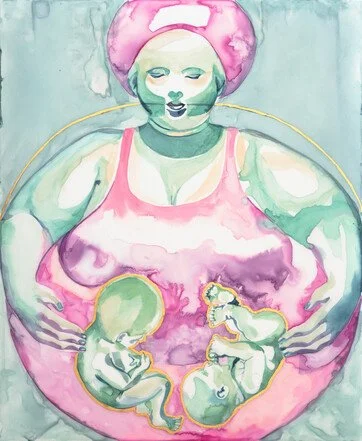
Imprints, 2024
Ink and 23k gold leaf on drafting film
17 x 14 inches
$1,000
Alexandra Carter
I titled this piece "Imprints" for its literal meaning in maternal biology. An imprint in this context refers to the lasting traces a child leaves in a mother’s body and vice versa: fetal cells that persist long after pregnancy, chemical and hormonal exchanges that shape recognition and bonding, and the layered ways these bodies carry, remember, and affect each other. By placing two babies within the figure, the painting makes tangible the dense, corporeal record of these exchanges, the ways the maternal body flexes, expands, and enfolds life within itself.
Kim Hopson
Sideshow Mama as: Postpartum Mama!, 2026
1:51 minutes
Sideshow Mama as: Crip Mama! (Tie My Son’s Shoes), 2026
1:41 minutes
Sideshow Mama as: Feeding Mama!, 2026
2:40 minutes
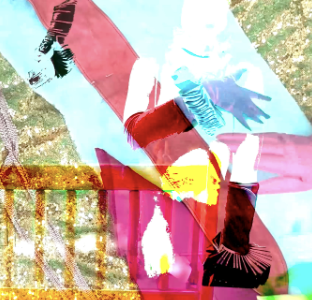
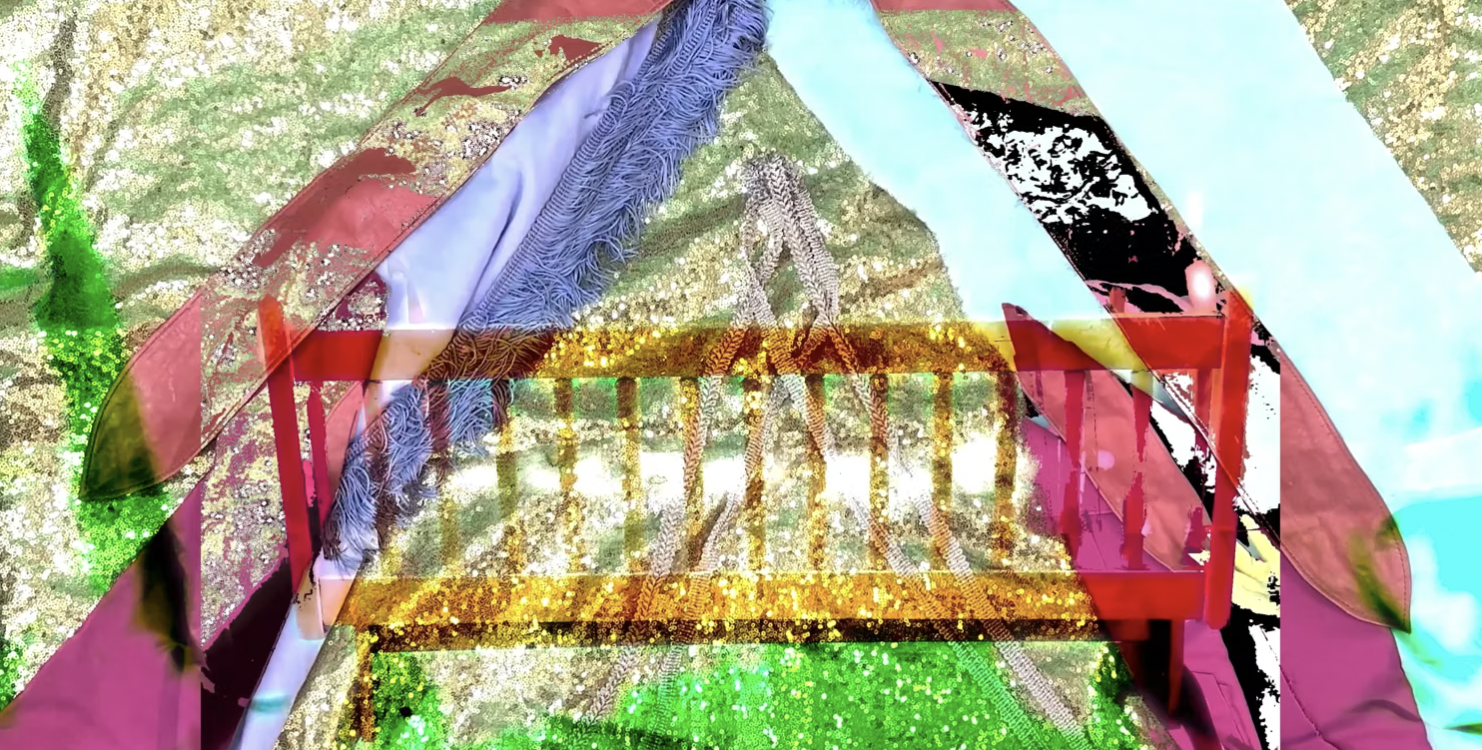
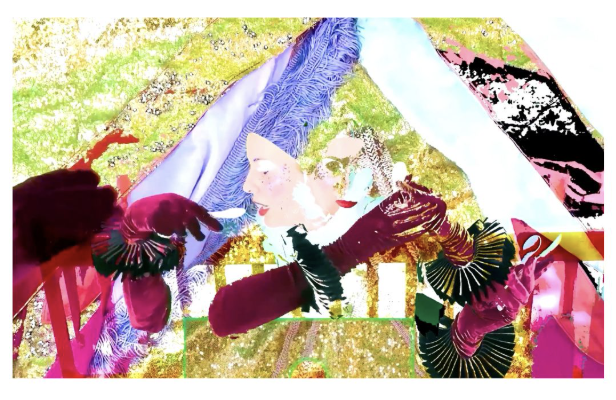
Sideshow Mama is my current and ongoing video project. The work consists of staged video vignettes built from performative actions, symbolic props, and collaborative storytelling. Rooted in my experience as a disabled parent, the project explores the caregiving body as both visible and overlooked, scrutinized, yet rarely understood. While the work emerges from my own lived experience, its scope is intentionally collective. I gather stories from caregivers across my community, disabled and non-disabled alike, and translate these shared narratives into ritualized visual environments. Caregiving is both deeply personal and nearly universal. By giving form to these experiences, I aim to create space for recognition, connection, and empathy. In Sideshow Mama, the caregiving body becomes a ceremonial image constructed for the camera. Using green screen, video compositing, and symbolic adornment, milk bottles, doll-babies, textiles and medical supports, I build layered visual tableaux where everyday acts of care are transformed into deliberate, ritual gestures. These objects accumulate and extend from the body, referencing the visual language of historical sideshow imagery while also expressing the emotional and physical extension caregiving requires. Actions such as warming a bottle, soothing, or adjusting supportive devices are slowed and repeated, emphasizing caregiving as sustained, embodied labor. Sylvia Plath understood something about the watched body. In Tulips, she writes of a self that was once quiet, unobserved, uncommitted, and then suddenly visible, pulled into focus by objects that demand and accumulate. That shift, from invisible to spectacle, is the territory Sideshow Mama inhabits. The caregiving body, especially the disabled caregiving body is never allowed to rest in anonymity. It is watched, assessed, misread. Plath's tulips crowd the air like a loud noise; my milk bottles and dolls and medical supports do the same, pressing outward from the body, making the labor physical and impossible to ignore. Both the poem and this project ask the same question: what does it cost to be seen, and still not understood?
Jess Levey
Know You Have Felt What I Am Feeling Right Now, 2021
HD video, Color, Sound
7 minutes 06 seconds
This video project, I Know You Have Felt What I’m Feeling Right Now, examines the psychological effects of motherhood and the inequities embedded within domestic space. Between February and August 2020, mothers of children 12 and younger lost 2.2 million jobs, while women overall lost 5.4 million jobs between the beginning of the pandemic and February 2021. Yet women’s labor did not stop; it shifted into the home, where many continued performing what sociologist Arlene Daniels calls “invisible work.” Even before the pandemic, employed women in heterosexual partnerships spent 50% more time each day caring for their children than full-time working fathers.
Witnessing women around me struggle, I sought connection with mothers during this intensely isolating period. Through 25 hours of phone conversations with 20 mothers of young children, I listened as they voiced frustrations and shared stories of our collective struggle. For many, including myself, simply creating the time and space to be heard became an act of healing.
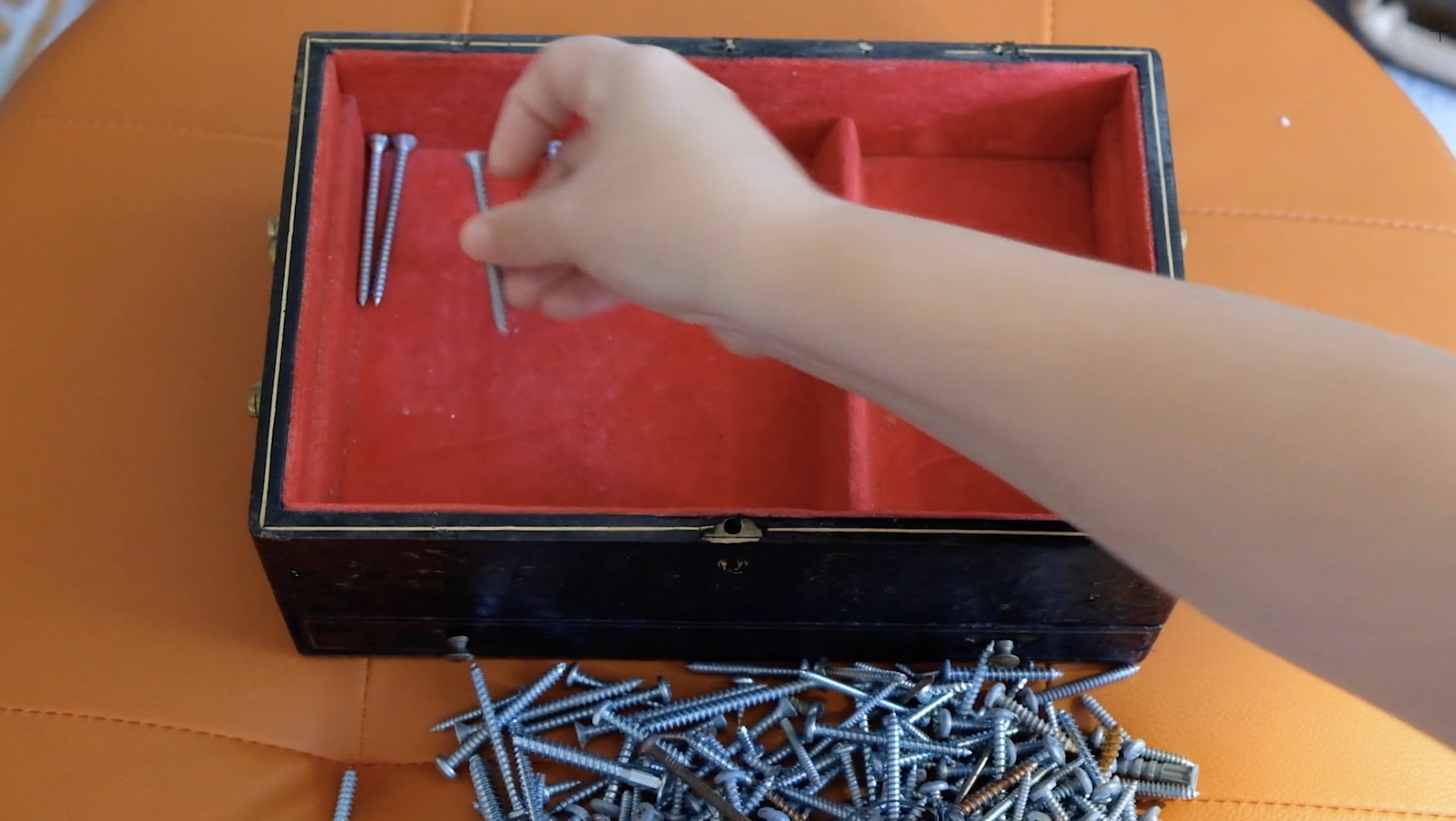
The video begins with a camera panning across a dangling phone cord as voices describe feelings of isolation. Initially, these emotions could suggest childbirth or grief, but gradually it becomes clear that the women are describing quarantine with their children. As their voices turn toward physical and mental exhaustion, the imagery shifts to close-ups of a cracking domestic and postpartum landscape. Descriptions of domestic and professional labor accompany a performance of organizing screws in an antique jewelry box. This repetitive act becomes a metaphor for the collective effort to hold everything together—mentally, physically, and materially.
The video concludes with imagery of trudging through deep snow as voices express the importance of self-care and reflection. The viewer is invited to consider an experience that extends beyond the pandemic and into the broader realities of motherhood. Shira Richter’s concept of “Motherbody consciousness” emphasizes this collective understanding: rather than individualizing pain or success, we might recognize them as communal experiences and responsibilities.pandemic. Even before 2020, employed women in heterosexual partnerships were spending 50% more time each day caring for their children than full-time working fathers. Knowing these facts and watching fellow women around me fall apart, I sought to connect with mothers during this intensely isolating and overwhelming time. During 25 hours of phone conversations with 20 different mothers of young children, I listened to them as they voiced their frustrations while we shared stories about our communal struggle. For many, including myself, just the act of giving over time and space to be heard was healing in itself.
Coralina Rodriguez Meyer
Olympic, Entre la Puta y la Santa 1864-2018 (Coralina of Homestead)
Linea Negra series, 2018
Chromogenic print on Hahnmule Beryta, framed
30 × 40 inches
Edition of 24
$2,600 framed, $2,000 unframed
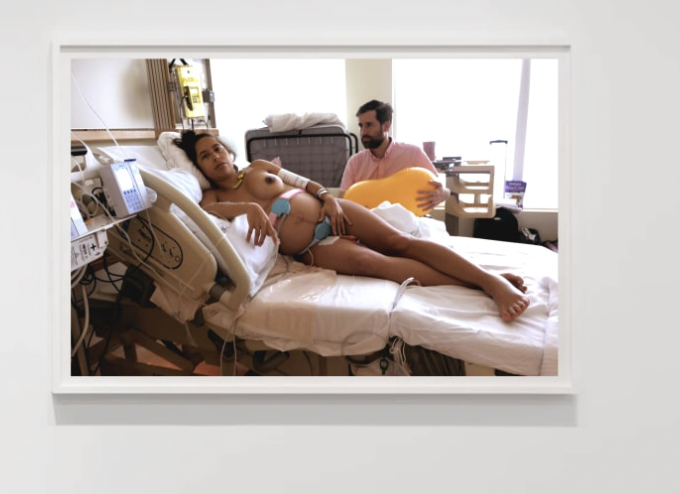
Dilated 6cm in a Miami hospital during a tropical storm blackout; the artist is depicted between labor pains, while repositioning Manet's Olympia painting. Stigmatized during a life-threatening delivery (in a city with highest rates of US maternal mortality), the work examines the texture and complexion of American Caste with its impact on conflicting climate and fertility crisis in America.
The photograph reconciles Manet's Olympia painting by reversing the laborious roles race, gender and class play in the commodification and reproduction of women's bodies and the landscape within plantation labor structures. Navigating their legacy within institutions, the artist survives a life threatening hospital delivery at the epicenter of the reproductive health crisis inside the eye of a tropical storm. To survive deadly outcomes for immigrant, melanated families in institutional settings, the artist endures and advocates against the stigmas race, class, status, gender and sexuality have on labor and identity in America.
The original painting depicts a prostitute in the foreground, whose glowing, white body and dark background obscure her African servant who bears a supportive bouquet of fertility flowers. The photograph of the nude artist in a hospital, reimagines the classical venus painting of the sultry, morgue-white courtesan as a condemned “puta” on the precipice of labor. The artist staged her self portrait with her partner bearing a birthing support ball while she was 6 cm dilated during labor. Reclaiming her own image from public consumption as a middle-aged, latinx, brown woman and anchor baby; the artist gazes directly at the viewer recalling the castas depictions of early colonial South America and the impact centuries of reproductive caste has had on contemporary mixed race melanated, ethnic pregnant women.
Coralina Rodriguez Meyer is a founding board member of Menstrual Market, a full spectrum fertility for the culture created by Doula Nicky Dawkins.
Hoodie, 2019
Ceramic
10.5 x 8.5 x 2.5 inches
NFS
Congratulations, It's a Boy, 2019
Ceramic
10.5 x 8.5 x 2.5 inches
$1,000 (SOLD)
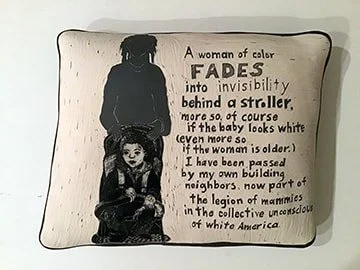
Invisible Behind the Stroller, 2019
Ceramic
10.5 x 8.5 x 2.5 inches
$1,000
Caroline Holder
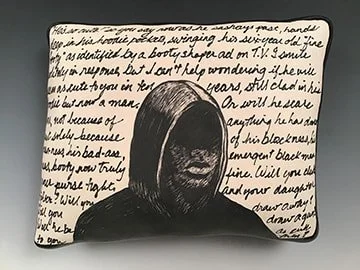
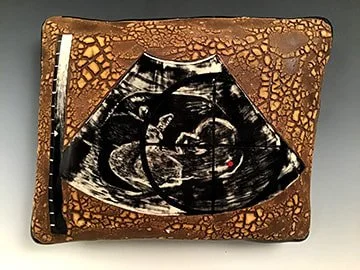
These three pillows are part of a larger installation, Insomniac’s Menagerie, an embodied collection of random thoughts that crowd our heads as soon as they hit the pillow. The entire installation presents reflections of assorted significance, ideas associated with parenting, teaching, aging, and navigating the world as an immigrant person of color. They speak to the universality of human experience that we discover when we let our guard down, allowing our carefully compartmentalized selves to collide. The three pillows here specifically reference motherhood which has been aptly described as having your heart walking around outside your body. Congratulations It's a Boy addresses fears for the unborn child; Hoodie addresses fears for the existing child and the man he will become, and Invisible Behind the Stroller muses on the unanticipated erasure of parents, particularly the mother, with the arrival of new life.
Shweta Bist
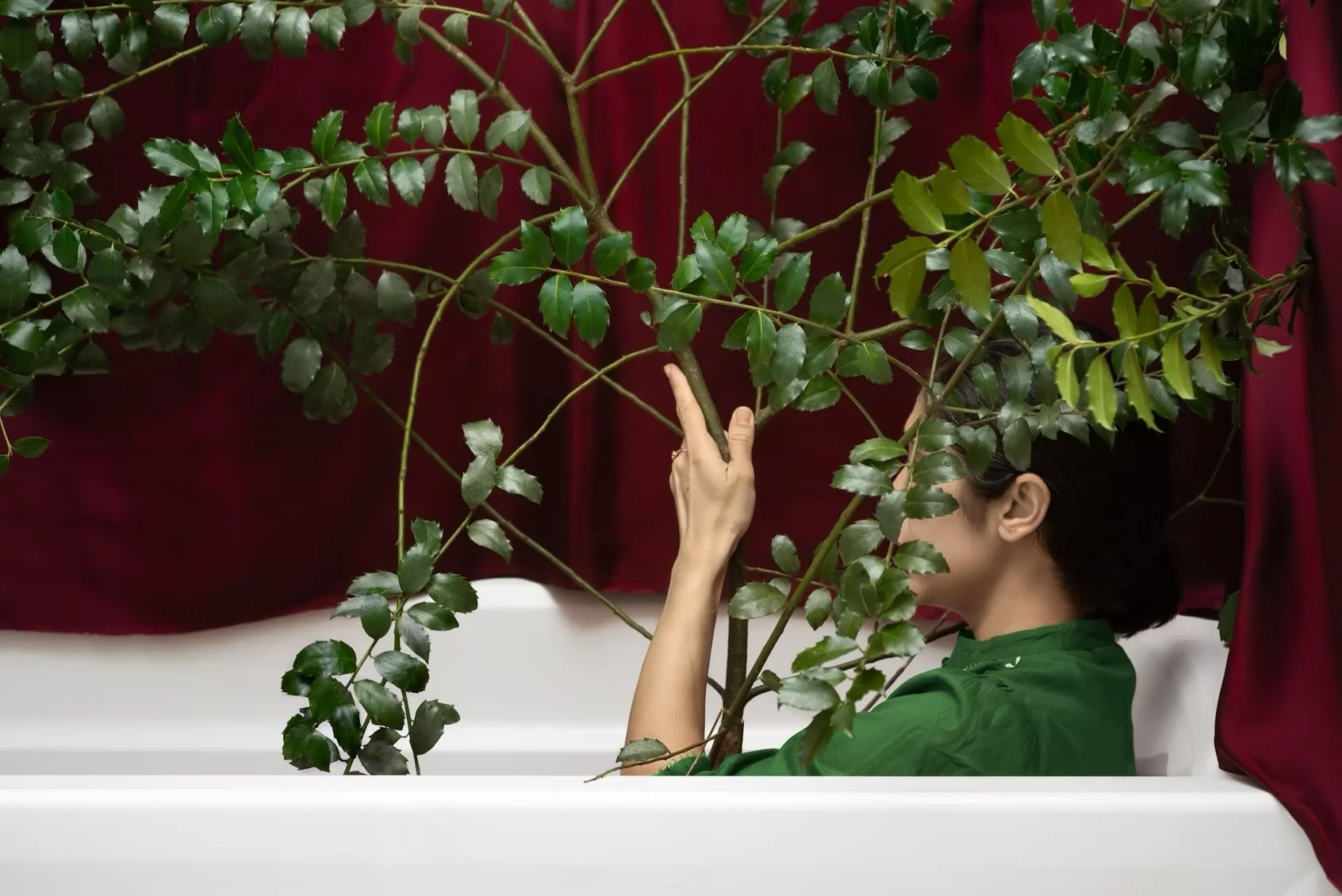
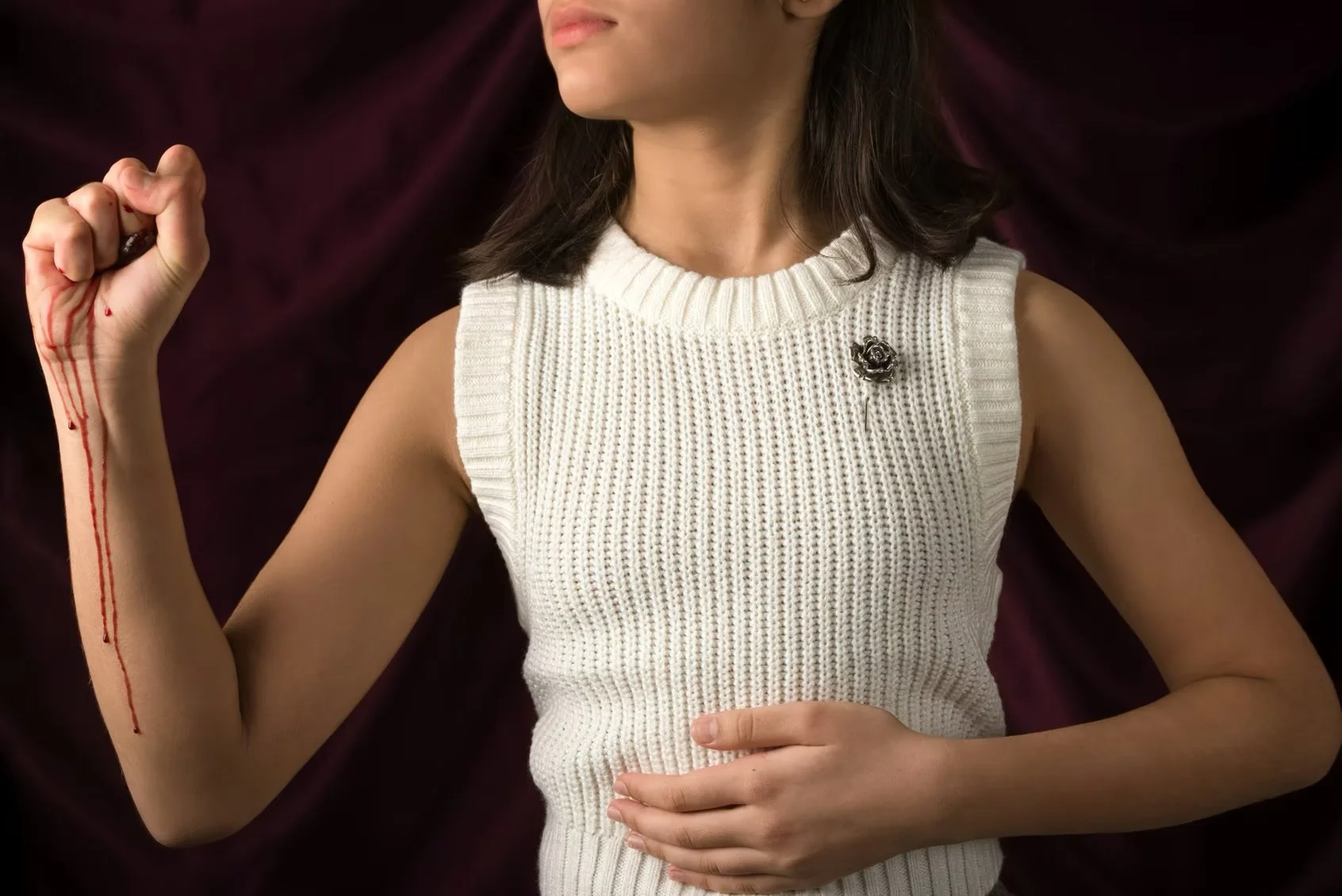
Selections from Fragility of Time series, 2022-2024
Untitled, 2022
Sublimation Print on Velour
32 x 44 inches
$900 Edition of 1 + 1 AP in this size
Available as print on paper, price upon request
Untitled, 2022
Sublimation Print on Velour
32 x 44 inches
$900 Edition of 1 + 1 AP in this size
Available as print on paper, price upon request
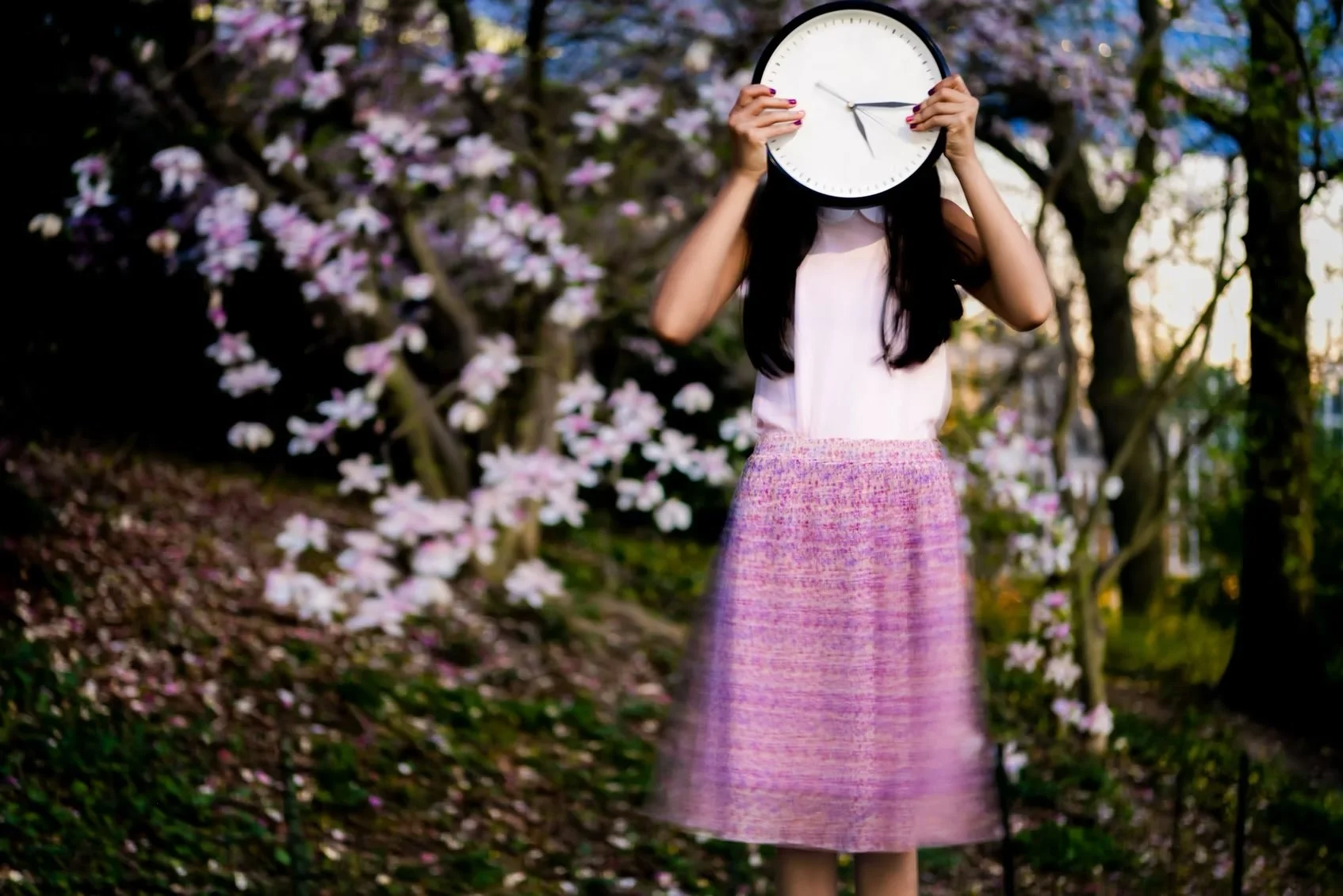
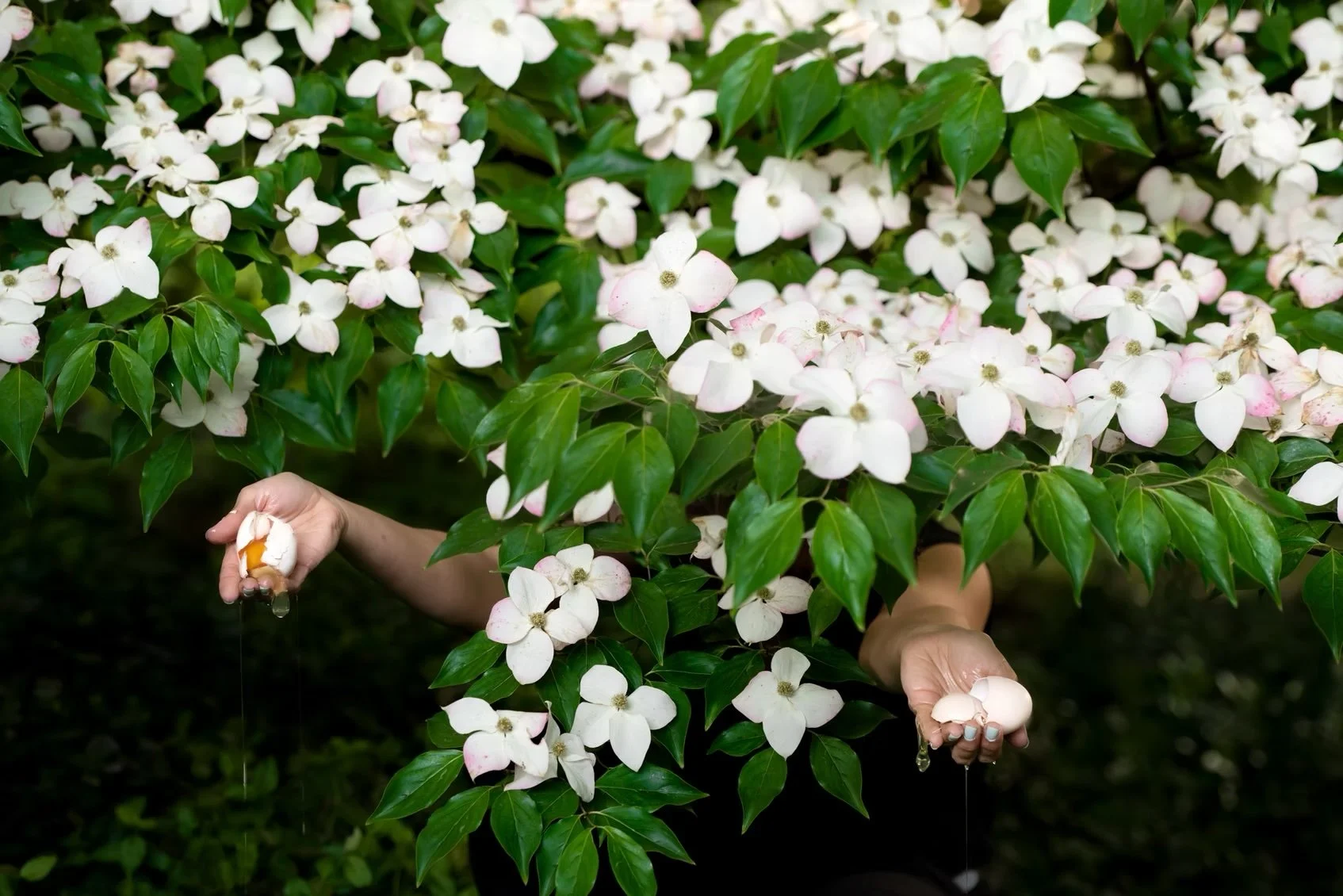
My work emerges from personal mythologies. I am interested in identity, memory, and temporality. I construct images using metaphors and symbols, finding inspiration in poetry, philosophy, psychology, and art history.
Fragility of Time explores the emotional terrain of midlife, when the rhythms of motherhood begin to shift and previously dormant childhood wounds resurface. The work moves between the intimate and the expansive, between the interior world of the home and the natural world beyond it. Home holds memories of my labor and domestic life. Nearby Central Park is my refuge, where I seek comfort among trees, wildflowers, and weeds, grounding me and quieting the anxiety I carry.
I collaborate with my daughters, who have irrevocably shaped my experience and subjectivity. In raising them and nurturing their independence, I became aware of the ways my own autonomy and selfhood were shaped and constrained by traditional gender norms. As my daughters grew older and needed me less, I found myself reckoning with loss, change, and the passage of time. This awareness became a point of departure for the series.
My daughters appear in the work both as themselves and as proxies for me—alternate versions of my younger self. Through them, I live vicariously, experiencing aspects of a life I might have lived differently. The work became a space for renewal—an acknowledgment of what has been lost alongside an embrace of the restorative rhythms of the natural world.
Shweta Bist
Selections from Fragility of Time series, 2022-2024
Untitled, 2023
Sublimation Print on Satin
38 x 54 inches
Price: $1,200 Edition of 1 + 1 AP in this size
Available as print on paper, price upon request
Untitled, 2023
Sublimation Print on Satin
38 x 54 inches
Price: $1,200 Edition of 1 + 1 AP in this size
Available as print on paper, price upon request
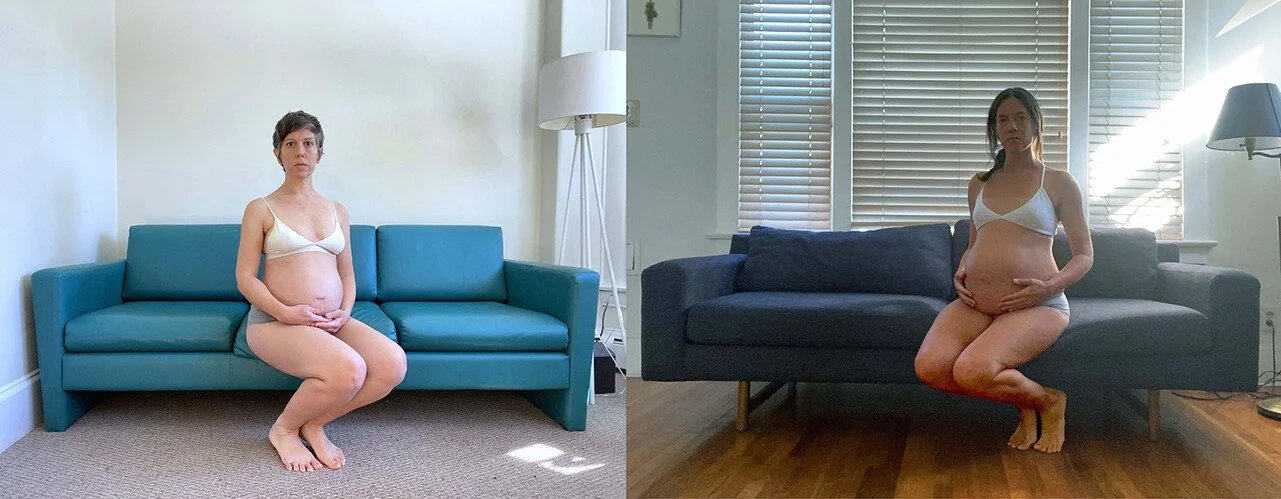
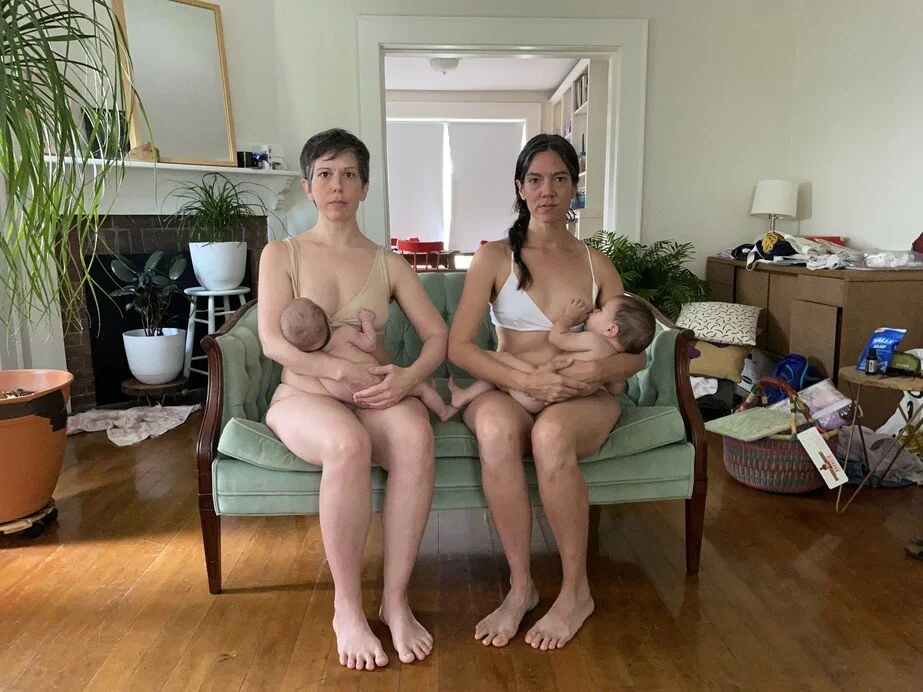
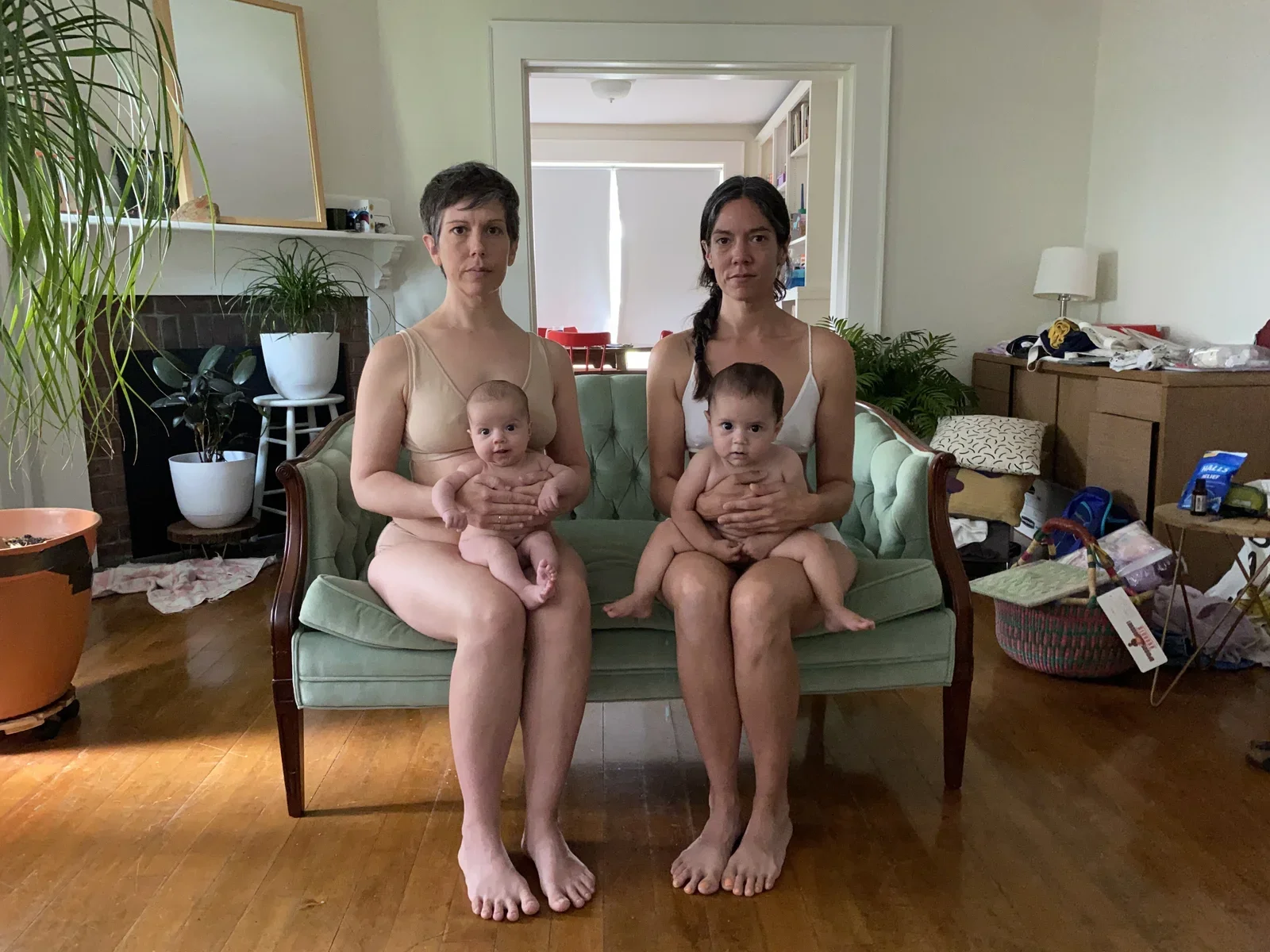
Las Hermanas Iglesias
Selections from Commiserates series, 2012-present
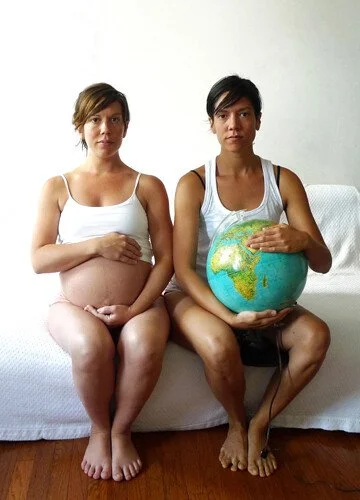
Commiserates I: Globe, 2012
Archival digital print, framed
8.5 x 7 inches
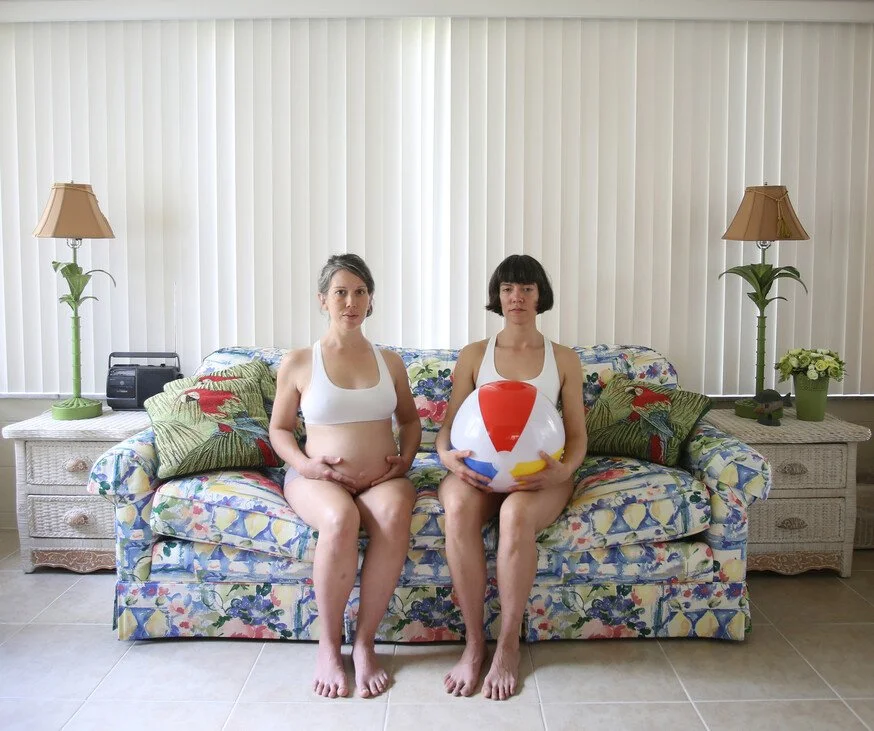
Commiserates II: Beachball, 2018
Archival digital print, framed
7.5 x 8 ¾ inches
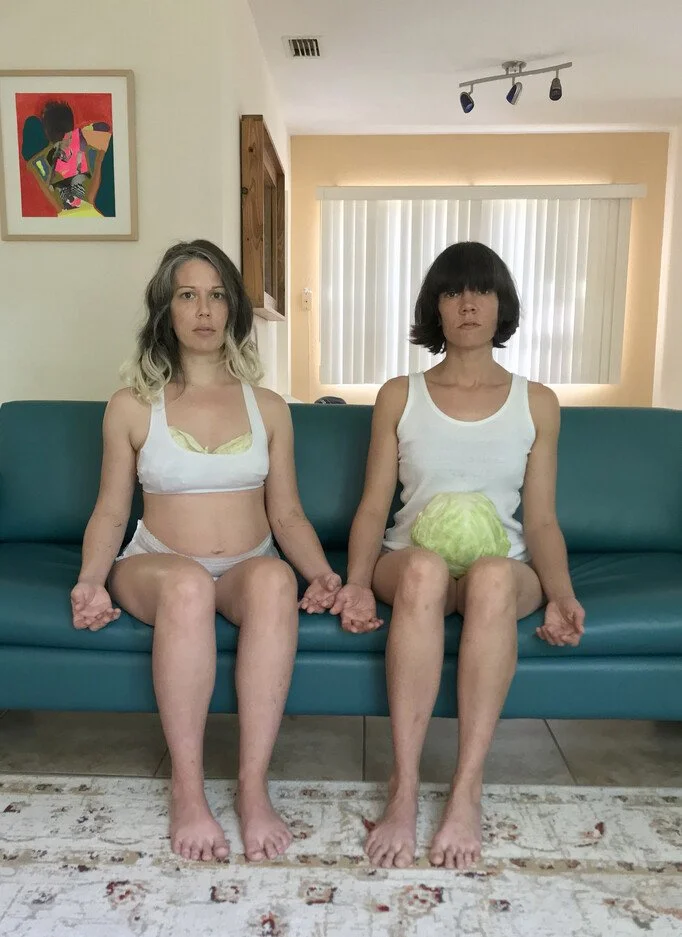
Commiserates III: Cabbage, 2018
Archival digital print, framed
8 ¾ x 6.5 inches
Commiserates III, Two Couches, 2021
Archival digital print, framed
7 x 16 ¾ inches
Commiserates V-B (2 mons/ 8 mons, breastfeeding), 2021
Archival digital print, framed
8 ⅝ x 6 ⅝ inches
Commiserates V: 3 (2 mons/ 8 mons), 2021
Archival digital print, framed
8 ⅝ x 6 ⅝ inches
Prices upon request
An OPEN-SOURCE Resource List for ALONE/TOGETHER: Pregnancy & Loss
In 2012, when Lisa was pregnant with her first child, we began a series of staged, intimate portraits of ourselves using a fluctuating set of parameters. Posing in our underwear, one of us performs the other’s pregnant belly with a somewhat commensurately sized object in the spaces we occupy. The project has continued and shifted, responding to our experiences with pregnancy, birth, and loss.
Commiserates III (cabbage) was photographed in 2018, upon the birth and loss of Lisa’s daughter due to a nuchal cord accident at 39 weeks. This image includes specific objects related to stillbirth and post delivery reality. Cold cabbage leaves halt milk and soothe sore breasts. Hospital-issue underwear absorbs blood.
In Commiserates IV (Janelle, November 2020) and (Lisa December 2020) the project continues with overlapping pregnancies––Janelle's first and Lisa's third. Occurring during the pandemic, we pose separately in homes on opposite coasts. Sitting on the edge of living room couches, we pose as we did nine years earlier.
Commiserates V (July, 2021) was taken when the artists were able to travel and features the 8-month and 2 month-old infants.
Commiserates VI (August, 2022) was taken just after both families recovered from CoVid19 and was taken in our childhood home in Queens, NY where we were quarantining.
We see our Commiserates series as bearing witness to each other's transformation, joy, struggle, and grief. Our lived experiences with pregnancy, abortion, possible infertility, birth, and loss connect us to broader reproductive rights and justice issues.
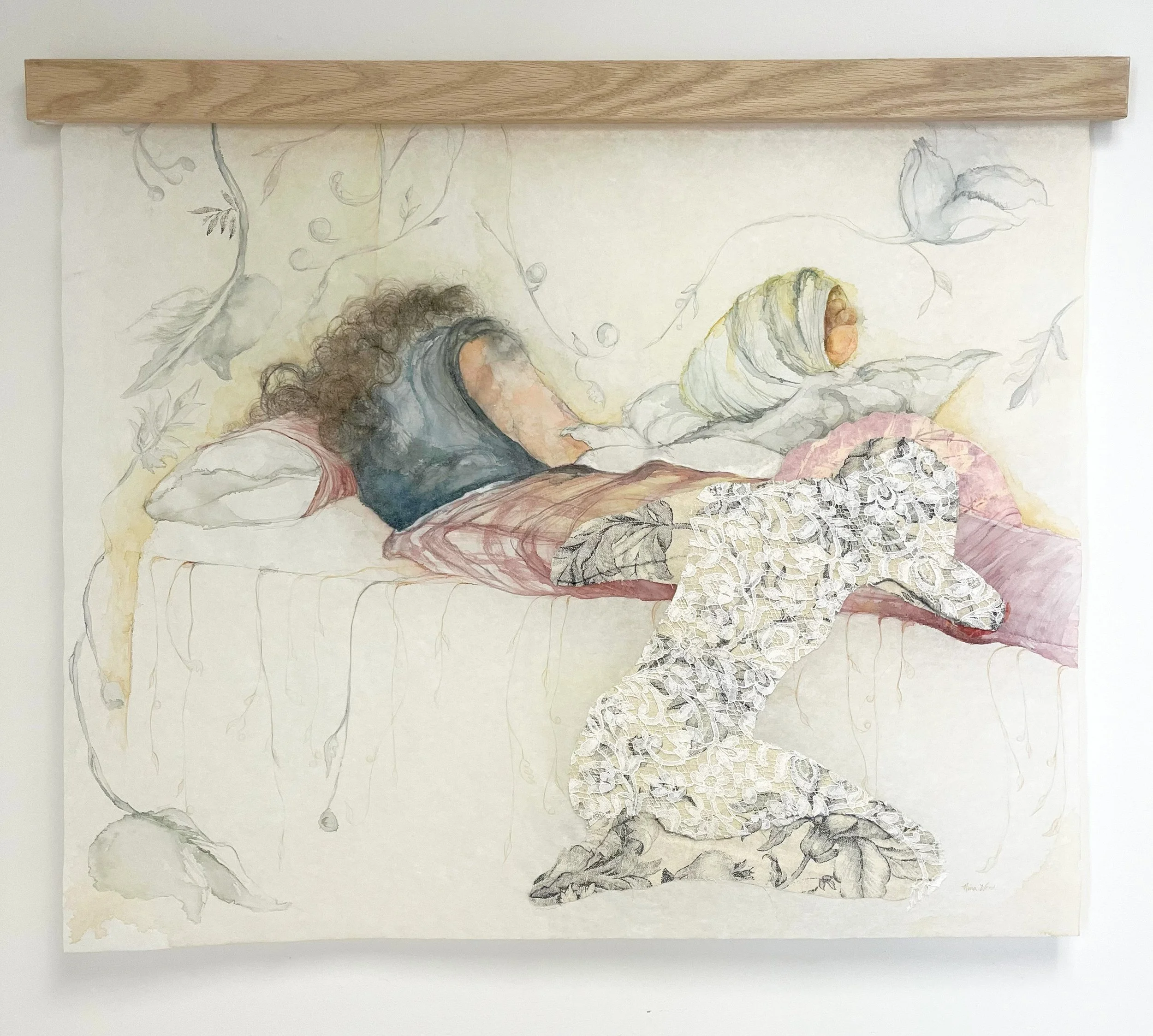
Nina Wood
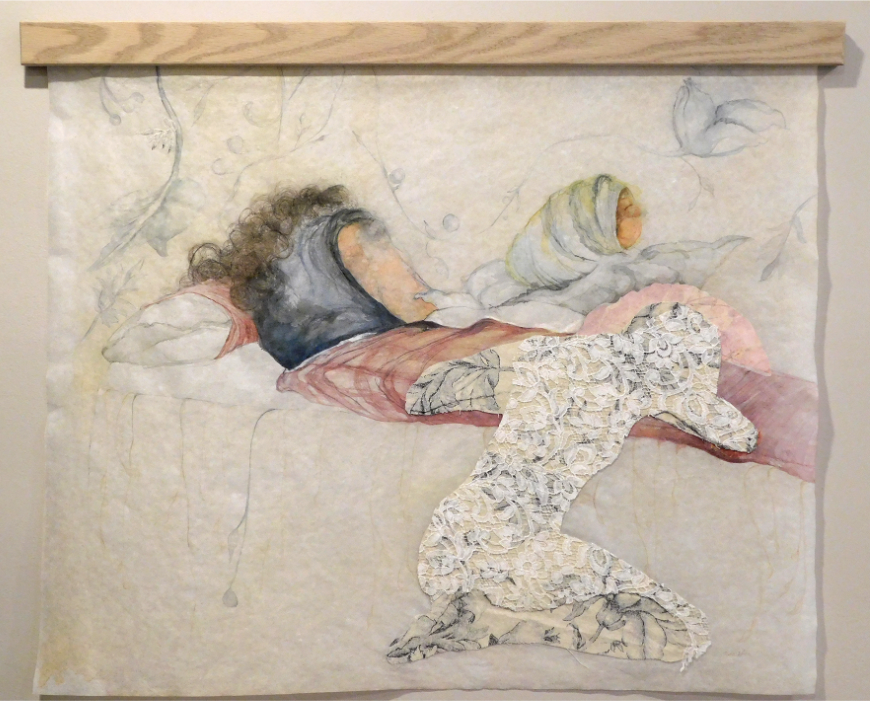
Dear Micheal, 2025
Watercolor and fabrics
38 x 30.5 inches
$1,500
My work connects directly to the exhibition’s exploration of matrescence as an ongoing cycle of attachment, loss, and renewal. It stems from a moment of profound empathy and helplessness when my adult son was randomly assaulted and came back to live with me so that he could be under my care while he recovered from surgery. I experienced the enduring nature of motherhood, not as something that fades as children grow, but as a lifelong bond to their vulnerability and strength.
While motherhood is often rooted in joy, this work reflects the parallel reality of being bound to our children’s suffering, sorrow, and uncertainty. I found myself grieving not only his physical injury, but the emotional weight of what this experience might take from him or alter in his future. I felt fear and hope, praying for his recovery, his resilience, and his ability to continue toward his dreams.
This painting reflects that tension: the instinct to protect and repair, alongside the painful recognition that we cannot shield our children from the world. In this way, the work aligns with the mother continually reshaped through each season of her child’s life, opening and closing with love, grief, and renewal.
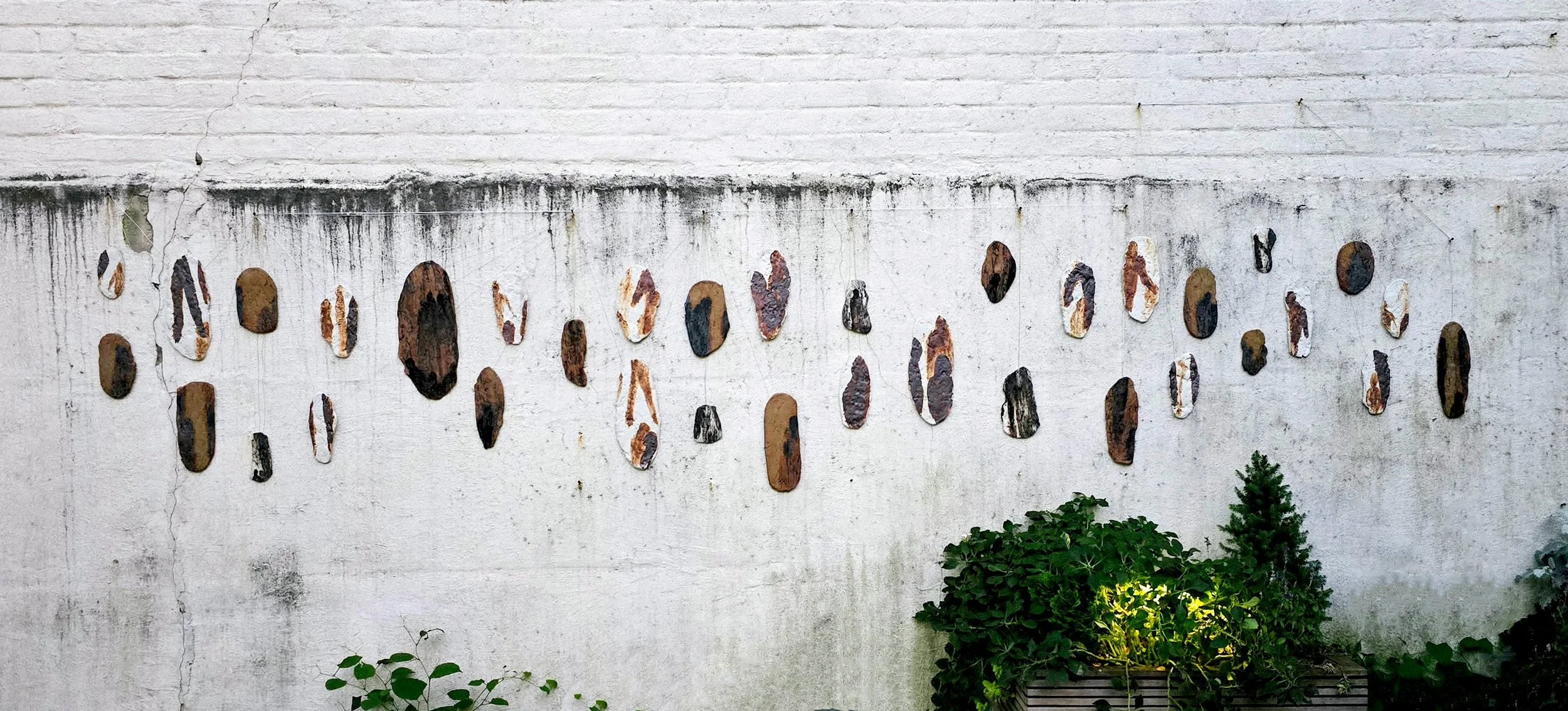
Jocelyn Russell
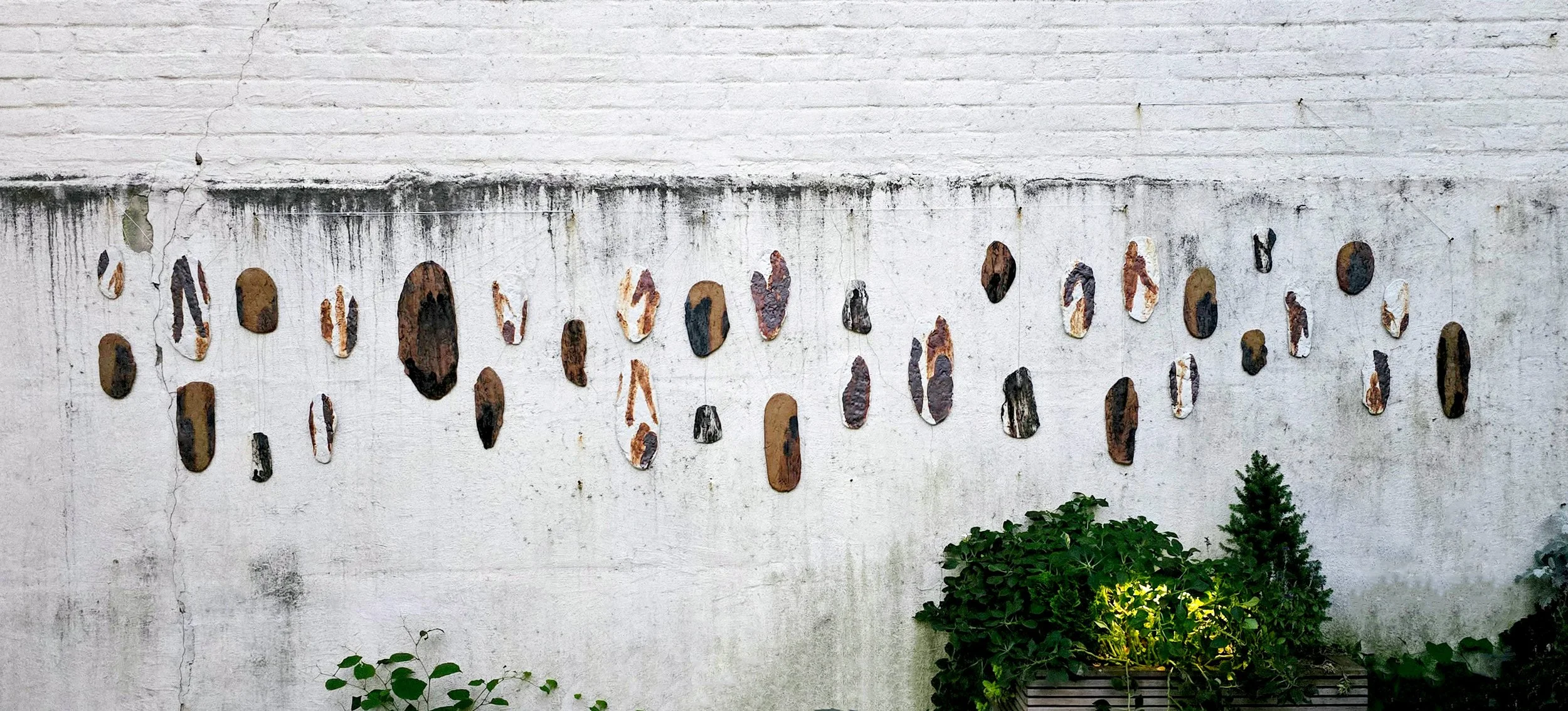
Family Tree (Shadow Portraits), 2026
Porcelain, Stoneware, black copper wash, ink, wire
dimensions variable
Prices upon request
Parenthood transforms the dynamic between partners, stretching every aspect of a relationship, and oneself, to accommodate a new life. This shift is rarely easy or graceful. Friction builds as you adapt and grow together, often under the strain of sleep deprivation, loss of personal time, and countless other demands. Even the brain changes in both parents. The physical demands of caring for a child shift over time, but the emotional intensity remains.
One late afternoon, as my family walked together, I noticed our shadows stretching and shifting across the ground. At times they merged into a single shape. Other times, as we moved apart, they fragmented, becoming elongated and unfamiliar. It felt like a metaphor for raising a child: so close you feel like one person, then shifting into something new as each person grows and adapts.
I pressed slabs of clay into oak trees, some in a grove on my family’s land in Massachusetts, others on the street outside my studio. Both are places where I feel the pressures and joys of parenting acutely. The clay took the texture of the bark, and I painted shadows and the impressions of shadows onto it. They appear together, overlap, and drift apart. They hold the tension between closeness and individuality, between the self that existed before parenthood and the self that continues to emerge through it.
More About the Artists
Shweta Bist
Alexandra Carter
Courtney Dudley
Tamar Ettun
Kim Hopson
Caroline Holder
Las Hermanas Iglesias
Jess Levey
Caroline McAuliffe
Coralina Rodriguez Meyer
Rose Nestler
Jocelyn Russell
Nina Wood